The Quiet Edge: How Obsessive Private Records Are Helping Collectors Beat the Market Before It Moves
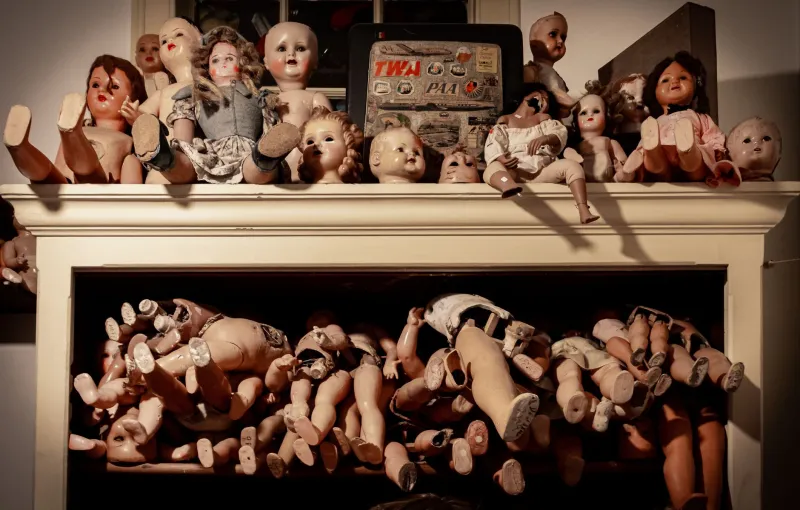
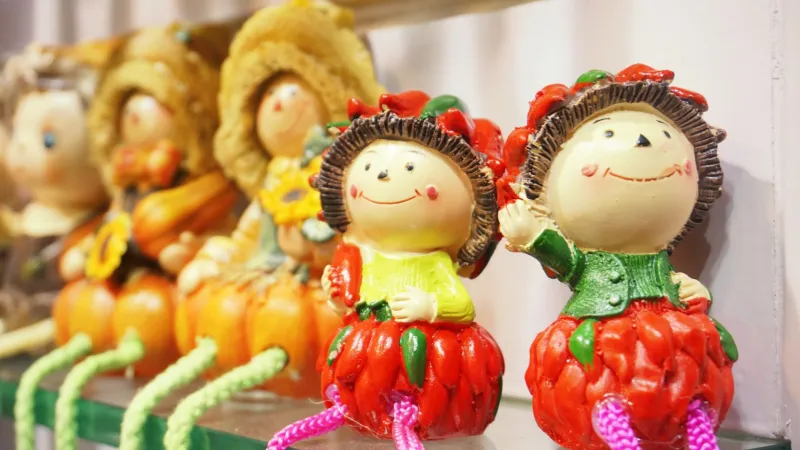
There's a certain type of collector you've probably never heard of. They're not the loudest voice in the Facebook group. They're not posting every haul to Instagram or running a YouTube channel with a hundred thousand subscribers. But when a particular doll line quietly doubles in value over eighteen months, they already sold at the peak — or they were the ones buying at the floor.
Their advantage isn't luck. It's data. Specifically, it's the kind of granular, private documentation that most collectors never bother building.
Beyond the Basic Spreadsheet
When people talk about tracking a collection, they usually mean a simple log — what they own, what they paid, maybe a rough estimate of current value. That's fine for insurance purposes. It's not fine if you're trying to understand where a market is heading.
Serious collectors — the ones consistently making smart acquisition decisions — are operating at a completely different level. We're talking multi-variable databases that track not just purchase price, but condition grades broken into subcategories, regional sale comparisons across platforms like eBay, Mercari, and local estate sales, seller history, production run data, and even the frequency of listings over time.
One collector based in the Pacific Northwest, who asked to remain anonymous, described her system as "basically a private Bloomberg terminal for the specific doll lines I care about." She's been building it for six years. It covers three niche vintage lines and logs every sale she can verify, tagged by condition, geography, and whether the item sold quickly or sat. "When something starts moving faster in certain zip codes before it moves nationally, that's a signal," she said. "I've caught three major price surges before they hit the wider community."
The Data Public Platforms Miss
Here's what eBay completed listings won't tell you: whether that doll sold to a flipper or a serious collector. Whether the seller was offloading duplicates or liquidating an entire estate. Whether the listing photos accurately reflected the condition. Whether the buyer paid with best-offer or full price.
Those details matter enormously. A doll that appears to have sold for $400 three times might have sold twice to the same reseller inflating perceived value. A line that looks stagnant might be quietly accumulating serious buyers who just aren't listing publicly yet.
Collectors who maintain their own records over years develop a feel for these nuances that no public dataset can replicate. They start recognizing individual seller accounts. They notice when a previously dormant category suddenly gets competitive. They track which condition grades are getting bid up versus which are sitting.
"I have columns for things no platform would ever track," said Marcus, a collector in the Chicago area who focuses primarily on fashion dolls from the 1980s and '90s. "Like whether the original box has a price sticker from a specific chain store. That used to mean nothing. Now certain regional retail stickers are fetching premiums from collectors who grew up near those stores. I saw that pattern forming two years before anyone was talking about it online."
Condition Grading as a Competitive Skill
One of the most underrated edges in private documentation is developing your own consistent condition grading system — and sticking to it across every entry.
Public listings use wildly inconsistent language. "Excellent" means something different to every seller. "Played with" covers everything from a doll that was held once to one that survived a decade in a sandbox. When you're comparing prices across hundreds of listings, that inconsistency creates enormous noise.
Collectors who build their own standardized grading rubrics — and apply them rigorously to every item they track — start seeing through that noise. They can isolate true price trends within specific condition bands and make much more accurate assessments of whether a particular piece is undervalued or overpriced relative to its actual state.
A collector in the Southeast who specializes in porcelain dolls described spending nearly a year developing her grading system before she felt confident using it analytically. "Once I had consistent grades applied to enough historical sales, patterns just appeared," she said. "There was a whole tier of mid-condition pieces that the market was pricing almost identically to near-mint. That gap eventually corrected, and I was positioned for it."
Regional Price Variation: The Sleeper Opportunity
National price guides and platform averages flatten something important: geography still matters in doll collecting, more than most people realize.
Estate sales in certain parts of the Midwest consistently surface specific vintage lines at prices 30 to 40 percent below what the same pieces command on the coasts. Local Facebook Marketplace listings in smaller metro areas often sit for weeks at prices that would sell in hours in major cities. Collectors who track these regional variations systematically can build acquisition strategies around them.
"I have a whole section of my database just for regional data," said one collector who travels to estate sales across three states. "I know which types of pieces are undervalued in which markets. It's not glamorous research, but it's made me a much smarter buyer."
This kind of geographic arbitrage isn't new, but the collectors doing it most effectively are the ones who've documented enough transactions to know where the reliable gaps actually are — rather than just assuming they exist.
The Patience Payoff
Here's the honest part: building this kind of documentation system takes years, not months. It requires logging sales you didn't make, tracking lines you don't collect, and maintaining records that won't pay off immediately.
Most collectors don't do it. That's exactly why it works for the ones who do.
The collectors who've built serious private databases describe a gradual shift in how they experience the hobby. Decisions that used to feel like guesses start feeling grounded. They stop chasing trends and start anticipating them. They develop a confidence in their own market read that doesn't depend on what's trending in a Facebook group this week.
"I used to feel like I was always a step behind," said Marcus. "Now I mostly feel like I'm watching things develop that I already saw coming. That's a completely different experience of collecting."
The market rewards preparation. The collectors building private documentation systems right now are making the investments that will quietly separate them from the pack for years to come. By the time everyone else notices a trend, they've already acted on it — and they've got the records to prove exactly why.