Hands Off or Dig In? The Real Tension at the Heart of Doll Collecting
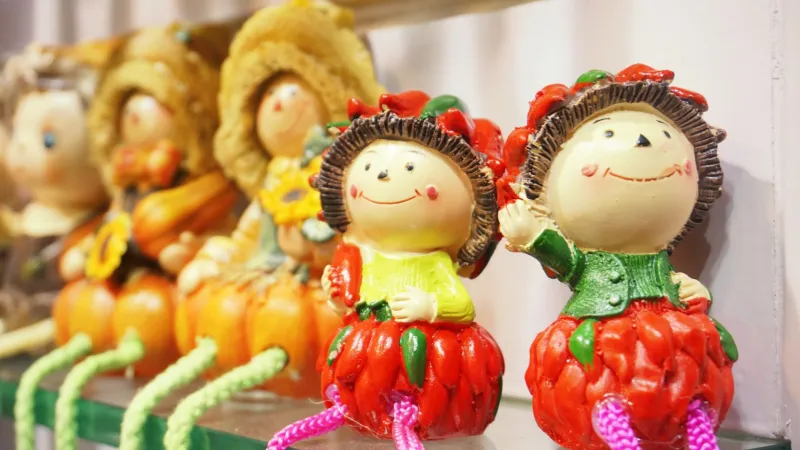
There's a particular kind of paralysis that sets in once you've spent real money on a doll. You open the box — or maybe you don't, because the box itself is part of the value — and suddenly the thing you were so excited to own feels almost too precious to touch. You prop it up somewhere safe, adjust the lighting, maybe take a few photos for your collection log, and then... you just look at it.
Sound familiar? You're not alone. And you're not weird. But you might be worth examining.
The Moment the Toy Becomes a Trophy
Collectors across the US describe a pretty consistent turning point: the first time they bought a doll specifically as an investment, or the first time they looked up a childhood favorite and saw a price tag that made their stomach drop. From that moment on, the relationship changes. The object stops being something you interact with and starts being something you protect.
There's nothing inherently wrong with that shift. Preservation matters. Condition affects value. Anyone who's watched a mint-in-box vintage Barbie sell for thousands while a played-with version from the same year goes for pocket change understands the financial logic. The doll room becomes a controlled environment — climate considered, UV exposure managed, little hands firmly redirected.
But collectors will tell you, if you ask them honestly, that something else can get lost in that transition. A certain lightness. The reason they got into this in the first place.
Two Camps, One Hobby
Spend any time in collector communities — the forums, the Facebook groups, the Discord servers where people post haul photos at midnight — and you'll notice the hobby quietly splits into two camps.
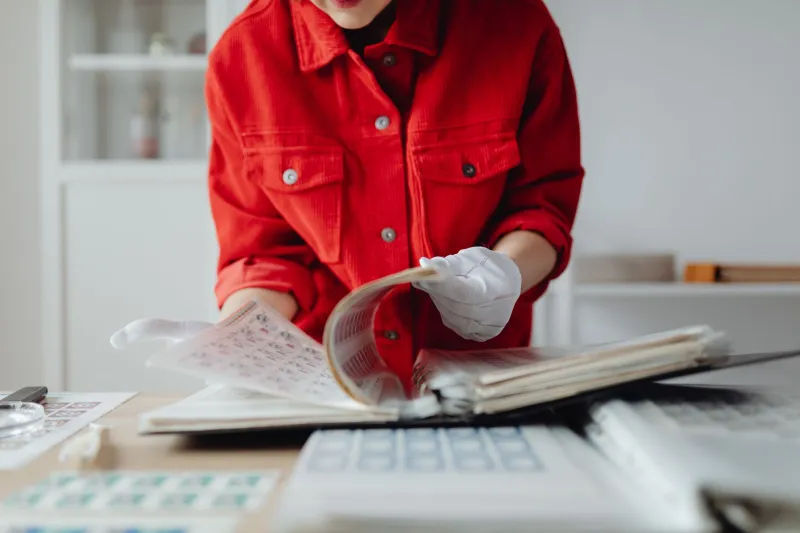
On one side: the preservationists. These are folks who track provenance, maintain documentation, keep original packaging, and would genuinely rather sell a piece than risk damaging it. Their collections are immaculate. Their shelves look like gallery installations. They talk about dolls the way serious wine collectors talk about bottles — with reverence, with data, with a clear awareness of what's at stake.
On the other side: the players. Customizers, photographers, storytellers, and casual enthusiasts who treat their dolls as creative partners rather than assets. They reroute hair. They sew outfits. They pose figures in elaborate dioramas and post the results online. They'll tell you flat-out that a doll sitting untouched behind glass is a doll being wasted.
Most collectors, if they're being honest, live somewhere in the messy middle — protective of certain pieces, loose with others, and occasionally guilty about both.
What the Customizers Get Right
Talk to anyone who's deep into the customization side of the hobby and you'll hear a consistent philosophy: the doll is a starting point, not a finished product. The value isn't in the pristine factory state — it's in what you bring to it.
That perspective is worth taking seriously, especially for collectors who've noticed their hobby starting to feel more like a chore than a joy. There's a reason customization communities are some of the most energetic corners of doll culture right now. People are making things. They're experimenting. They're allowed to mess up, and they do, and then they try again. The stakes feel human-sized.
For the preservationist, that kind of freedom can look reckless. For the customizer, the preservationist's shelf can look like a mausoleum.
Neither of them is entirely wrong.
The Psychology of the Untouchable Object
There's actual research on this, loosely speaking. Psychologists who study collector behavior have noted that the act of acquiring an object and the act of enjoying it can become genuinely decoupled over time. The dopamine hit comes from the hunt, the purchase, the documentation — and then the object itself becomes almost secondary. It just needs to stay safe and prove you made a good call.
For some collectors, this is fine. The curation is the hobby. Building and tracking a collection is its own satisfying project, separate from any tactile relationship with the objects themselves.
But for others, there's a creeping dissatisfaction that's hard to name. They have more dolls than ever and somehow less fun. The room is beautiful and feels faintly sterile. They find themselves more stressed about storage conditions than excited about new finds.
If that description hits close to home, it might be worth asking what you actually want from this hobby — and whether the way you're running your collection is still serving that.
Finding Your Own Balance
Here's the thing: there's no universal right answer, and anyone telling you there is probably has something to sell you.
Some pieces genuinely deserve careful handling. A rare prototype, a piece with significant historical context, something that took years to track down — those are worth protecting. The preservation instinct isn't irrational. It's a reasonable response to real scarcity and real value.
But it doesn't have to apply to everything. A lot of collectors find relief in sorting their collections into tiers — investment pieces that stay pristine, and play pieces that are fair game for handling, posing, customizing, or just picking up on a Tuesday afternoon because you feel like it. The two categories don't have to contaminate each other.
Others go further and deliberately keep a few inexpensive, duplicate, or intentionally "beater" versions of dolls they love — the kind they can actually interact with without anxiety. It sounds a little elaborate, but collectors who do it consistently say it changes the energy of the whole room.
What Are Dolls Actually For?
This is the question that sits underneath all of it, and it doesn't have a clean answer. Dolls have been toys, art objects, cultural artifacts, status symbols, and therapy tools, often all at once. The hobby contains multitudes, and that's part of what makes it worth caring about.
But if your collection has gotten to a point where the dominant emotion it produces is anxiety rather than joy — where you're more worried about what you might lose than excited about what you have — that's data worth paying attention to. Not a judgment. Just information.
The doll room should feel like yours. Whether that means a spotless archive of carefully sourced pieces or a creative studio full of works in progress or some combination of both — the point is that it should feel alive to you, not like something you're just maintaining.
Collect the way you actually want to collect. The dolls will be fine either way.