Catalogued, Tracked, and Taken Seriously: Why the Best Collectors Are Running Their Collections Like Museums
There's a moment most serious collectors can pinpoint — the exact second they stopped treating their collection like a hobby and started treating it like a responsibility. For some it's after a bad trade. For others it's the first time someone asks about provenance on a piece they can't fully account for. Either way, the shift tends to lead to the same place: a spreadsheet, a filing system, or something that looks a lot more like a museum archive than a toy box.
This isn't just organizational tidiness. Across collector communities in the US, documentation has quietly become one of the clearest signals of who's operating at a serious level and who's still figuring it out. Call it data literacy, call it record-keeping discipline — whatever the label, collectors who build robust personal archives are consistently commanding more trust, more respect, and frankly, higher resale prices than those who don't.
What "Documentation" Actually Means in This Context
Let's be clear: documentation doesn't mean you need a server room or a library card catalog. What it does mean is having a reliable, retrievable system for tracking what you own, what condition it's in, where it came from, and what you paid (or traded) for it.
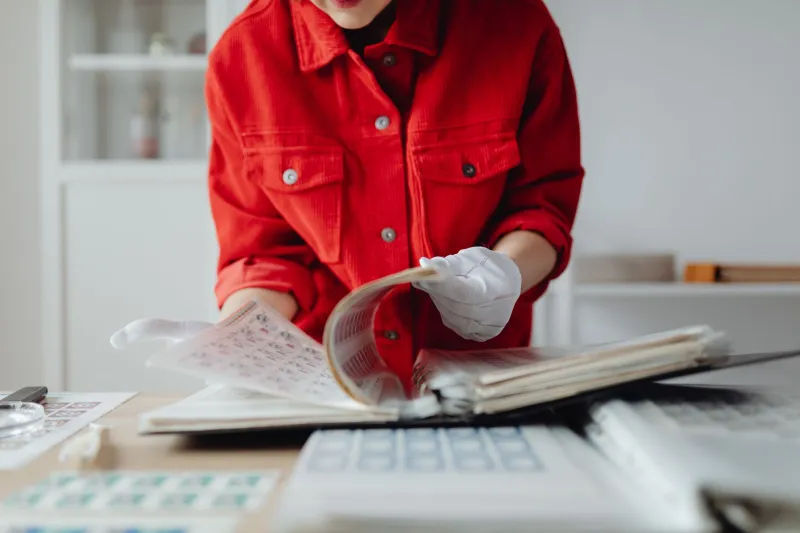
For some collectors, that's a Google Sheet with columns for manufacturer, year, edition number, condition grade, purchase source, and current estimated value. For others, it's a dedicated app like Collectify or even a custom Notion database built out over years. A few enthusiasts have gone full archivist mode — physical binders with printed photos, original receipts, and handwritten condition notes tucked behind plastic sleeves.
The format matters less than the consistency. What separates a functional archive from a chaotic folder of old photos is whether the system actually gets updated and whether someone other than you could make sense of it.
Condition Grading: The Language Serious Buyers Speak
One of the first things new collectors notice when they try to sell or trade at a higher tier is that buyers start asking very specific questions. Not just "is it in good shape?" but "does it have any yellowing on the torso?" or "are the eye decals original or replaced?" These aren't gotcha questions — they're the vocabulary of a community that has developed real standards.
Collectors who have already been grading their own pieces — using consistent terminology like Near Mint, Excellent, Good, Fair, and Poor, or referencing more specific community-developed rubrics — have a massive advantage here. They can answer quickly, accurately, and with documentation to back it up. That credibility compresses negotiation time and reduces the friction that kills deals.
Some collectors have started photographing pieces at acquisition, then again at regular intervals, creating a visual condition timeline. It sounds like overkill until you're trying to prove a doll hasn't been repainted since you bought it three years ago.
Provenance: The Paper Trail That Adds Real Dollars
Provenance is a word borrowed from the fine art world, and it's increasingly relevant in high-end doll collecting. Knowing — and being able to prove — where a piece came from, who owned it previously, and whether it's been altered or restored can be the difference between a $200 sale and a $600 one.
This is especially true in the vintage market. A 1960s Barbie in original packaging is worth more if you can document that it came from an estate sale with verifiable history than if it just showed up in a lot you grabbed at auction. Collectors who have saved purchase receipts, photographed original packaging, and kept notes on seller information are building provenance chains that translate directly into asking price confidence.
For limited edition or artist-made pieces, provenance documentation can include certificates of authenticity, original artist correspondence, and community forum posts that establish a piece's history. Screenshots of a DM from the original artist confirming a doll's authenticity? That's worth saving.
The Tools People Are Actually Using
A quick tour through what active collectors in the community are relying on:
Spreadsheets remain the backbone for most serious collectors. Google Sheets gets the most mentions because it's free, cloud-synced, and shareable when needed. A well-built sheet might include 20+ columns, but even a basic version with item name, condition, source, purchase price, and estimated current value is enormously useful.
Collectify and similar apps have built a following for their photo-forward interfaces and barcode scanning features. They're particularly useful for collectors who think visually and want something that feels less like accounting software.
Notion has become a favorite among collectors who want to build something more customized. The ability to link databases, embed photos, and create filtered views makes it powerful for anyone willing to invest the setup time.
Physical binders aren't going anywhere. For vintage collectors especially, there's something reassuring about a tangible archive that doesn't depend on a server staying online. Many collectors use a hybrid approach — digital for searchability, physical for irreplaceable documents.
Why the Community Notices (and Rewards) This)
Here's the part that might surprise newer collectors: the doll community is remarkably good at sniffing out who has done the work and who hasn't. It shows up in how people describe their pieces, how they respond to questions, and how quickly they can produce supporting information.
Collectors with solid documentation systems tend to earn faster trust in trading communities, get better terms in swaps, and attract serious buyers when they list pieces for sale. There's also a reputational element — being known as someone who keeps meticulous records signals that you're in this for real, not just moving pieces around opportunistically.
Some community members have started explicitly asking for "documentation" as part of trade negotiations, the same way you might ask for service records when buying a used car. If you can't produce it, the deal might still happen — but probably at a discount.
Starting Your Own Archive Without Losing Your Mind
If your current system is a box of receipts and a vague memory of where you bought things, don't panic. The goal isn't perfection from day one — it's building a habit.
Start with what you have right now. Pick your ten most valuable or most meaningful pieces and document those first. Take photos, note the condition, write down what you know about the source. Then expand from there, adding new acquisitions as they come in and backfilling older pieces when you have time.
Set a recurring reminder — monthly works for most collectors — to update values based on recent community sales data. Markets shift, and a collection that was appraised two years ago may look very different today.
Most importantly, build your system around your brain, not someone else's template. If you hate spreadsheets, use an app. If apps feel flimsy, use a binder. The best documentation system is the one you'll actually maintain.
The Bigger Picture
The collectors who are pulling the most value — financial, social, and personal — out of this hobby aren't necessarily the ones with the biggest budgets or the rarest finds. They're the ones who treat their collections with the same seriousness a museum curator would bring to a gallery. That means records, photographs, condition assessments, and provenance trails.
It's not glamorous work. But in a community where trust and credibility are currency, a well-maintained archive might be the most valuable thing in your collection room.