Screens, Spreadsheets, and Swaps: How Digital Platforms Are Rewriting the Collector Trading Experience
There was a time when finding a mint-condition Madame Alexander from 1962 meant showing up early to a convention hall, elbowing past a crowd of fellow enthusiasts, and maybe — if the timing was right — catching a seller who didn't quite know what they had. That serendipity was part of the charm. It was also part of the chaos.
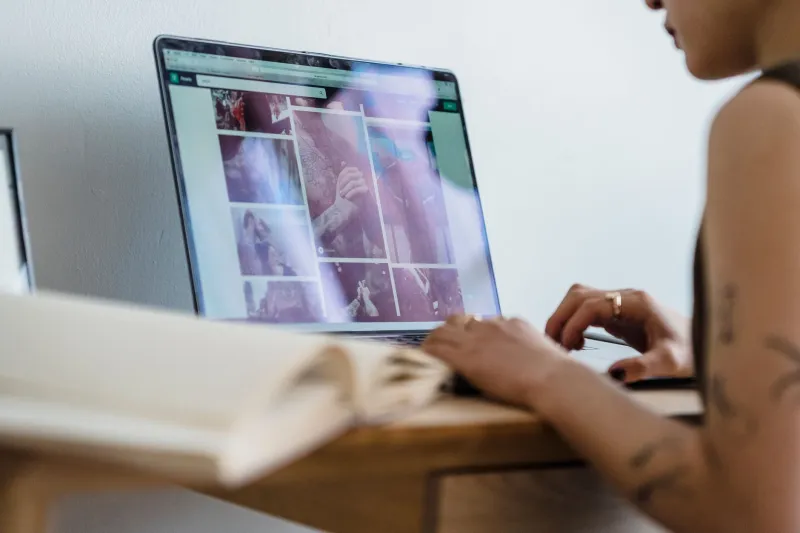
Fast forward to now, and the landscape looks radically different. Centralized online trading communities, data-driven valuation tools, and platform-based verification systems have quietly dismantled the old model. For better or worse, the swap meet era is sharing space with something far more structured — and a lot of longtime collectors have feelings about it.
The Old Way Had Its Magic (And Its Landmines)
Ask any collector who's been in the game for two decades or more, and they'll light up talking about in-person events. Regional doll shows, flea markets, and national conventions like the United Federation of Doll Clubs annual gathering weren't just places to shop — they were where knowledge transferred, friendships formed, and reputations were built.
"You learned so much just by handling pieces," says one collector based in Ohio who's been attending shows since the late 1980s. "You could feel whether the vinyl had been re-rooted, smell whether something had been in a smoky house, see the true color of a dress under actual light. No photo captures that."
But the in-person model had real vulnerabilities too. Geographic limitations meant collectors in rural areas or smaller states often had to travel hours just to access a decent market. Pricing was wildly inconsistent — the same doll could sell for $40 at a rural flea market and $400 at a Chicago convention the same weekend. And fraud, while not rampant, was genuinely difficult to combat when a handshake was the only receipt you had.
What Digital Platforms Actually Changed
The shift didn't happen overnight. It started with eBay in the late '90s, crept through early forum-based trading threads, and eventually matured into purpose-built collector platforms and community hubs where data, not gut instinct, drives the conversation.
The core advantage of digital-first trading is transparency. When pricing history is publicly visible and community members can flag questionable listings, the information asymmetry that used to favor sellers with more experience starts to level out. A newer collector in rural Montana now has access to the same market data as a veteran in New York City.
Verification has also improved significantly. Many established online collector communities now operate structured feedback systems, photo verification protocols, and moderated dispute resolution — tools that simply didn't exist when deals were done across a folding table. Platform moderators in larger doll trading groups often describe their role as part archivist, part referee.
"We've built out a whole internal system for flagging repros and misrepresented pieces," explains one moderator who oversees a Facebook-based trading group with over 14,000 members. "When someone posts a listing, experienced members cross-reference it against our shared photo archive before anyone bids. That kind of collective vetting just wasn't possible before."
Geographic reach is another genuine win. Sellers in small towns can now access national — and even international — buyer pools. Rare regional releases that might have sat unsold at a local show for years can find their rightful collector halfway across the country within 48 hours of a listing going live.
What Gets Lost in the Upload
None of this comes without trade-offs, and the collector community is pretty candid about what digital trading can't replicate.
The tactile element is the most obvious loss. No matter how good a seller's photography is, a photograph can't tell you whether the elastic on a Cissy doll's undergarment is original or replaced. It can't communicate the subtle weight difference between a genuine vintage head and a reproduction. Experienced collectors develop what some call "hand knowledge" — a sensory vocabulary built over years of physical handling — and that skill becomes harder to apply when everything arrives in a bubble mailer.
Then there's the spontaneous discovery problem. Part of what made in-person collecting thrilling was the unexpected find — the box of unsorted dolls at an estate sale, the overlooked prototype buried under a table. Digital platforms are, by design, organized and searchable. That efficiency is great for buyers who know exactly what they want. It's less great for the collector who doesn't know what they're looking for until they see it.
Community texture is also harder to replicate online. Conventions weren't just markets — they were social events. You'd run into the same people year after year, build relationships, learn the backstory behind a collection. Online communities can approximate this, but the experience of sitting across from someone and hearing why they're parting with a doll they've owned for thirty years doesn't translate cleanly to a comment thread.
The Hybrid Future Most Collectors Actually Want
Here's what's interesting: when you talk to active collectors, very few of them want a fully digital world or a fully in-person one. The real preference seems to be a thoughtful hybrid — using digital tools for research, valuation, and initial contact, while still reserving some transactions for in-person verification when the stakes are high enough.
Several regional collector clubs have started experimenting with this model deliberately. They organize local meetups specifically for collectors who've already connected online — essentially using the platform as a matchmaking layer and the in-person event as the closing mechanism. It's a practical solution that plays to the strengths of both formats.
For high-value pieces especially, collectors seem to agree that some form of physical inspection should remain part of the process. "If I'm spending over a thousand dollars on something, I want to either see it in person or have someone I trust see it for me," notes one longtime collector from the Pacific Northwest. "The platform can find the seller. It can't replace my eyes."
What This Means for the Community Going Forward
The shift toward digital-first trading has genuinely democratized access to the collector market in ways that are hard to argue against. More people can participate, pricing is more transparent, and bad actors have fewer places to hide. Those are real improvements.
But the community-building piece still needs tending. The doll collecting world has always run on shared knowledge, mentorship, and a certain generosity of spirit — the experienced collector who takes time to explain why a particular mark matters, or who points a newcomer toward a better deal than their own listing. Those relationships form more slowly online, and they require intentional cultivation.
Platforms that understand this — that position themselves as community infrastructure rather than just transaction engines — seem to be the ones earning long-term loyalty from collectors. The data room concept works best when the data serves the community, not the other way around.
The folding tables and convention halls aren't gone. But the spreadsheets and verified photo archives have earned their seat at the table too.