From Bargain Bin to Hot List: The Doll Lines Making an Unlikely Comeback
A few years ago, you could walk into almost any Goodwill in America and find a bin of Jem and the Holograms dolls for a dollar or two each. Today, a complete Jem in original outfit with accessories can stop a serious collector in their tracks — and the price tag reflects it. What happened?
The short answer: the market remembered. The longer answer is a lot more interesting, and it has real implications for anyone paying attention to where doll collecting is headed.
The Nostalgia Engine Is Running Hot
The most consistent driver of doll market reversals right now is generational timing. Gen X — loosely, Americans born between 1965 and 1980 — has hit the sweet spot of disposable income meeting childhood nostalgia. They're buying back the toys they had, the toys they wanted, and the toys their parents threw away. And they're doing it with adult budgets.
"I call it the 40-year rule," says Dennis, a doll dealer based in the Chicago area who has been working the secondary market for nearly fifteen years. "Whatever was popular when a generation was between eight and twelve years old tends to heat up again when that generation hits their forties and fifties. You can almost set a clock by it."
By that math, the window for 1980s and early 1990s doll lines is wide open right now — and the data bears it out. Lines that barely registered on collector radar a decade ago are showing up in online auction results at multiples of their previous values.
The Specific Lines Turning Heads Right Now
Beyond Jem, a handful of other previously overlooked categories are generating real buzz in collector communities.
Ideal's Velvet and Crissy family — the grow-hair dolls of the early 1970s — have seen a steady uptick in interest, particularly among collectors who remember them from older siblings or parents. Clean examples with working hair mechanisms are increasingly hard to find at casual prices.
Kenner's Darci doll line from the late 1970s spent decades in Barbie's shadow, treated as a curiosity rather than a collectible. That's changing. Darci's fashion-forward aesthetic has resonated with collectors drawn to the period's particular visual style, and her relative scarcity compared to Barbie means that nice examples are now legitimately competitive at auction.
The Maxie doll line from Hasbro, which had a brief run in the late 1980s, is another one dealers are watching. "Maxie was always dismissed as a Barbie knockoff, but the fashions were genuinely of their era in a way that's appealing now," notes Carla, a vintage fashion doll specialist who sells primarily through collector shows and online platforms. "I've seen prices on mint-in-box Maxie sets double in the last two years."
Remco's Judy Littlechap family from the early 1960s is a more niche example — but among collectors who focus on that specific era of American doll history, it's become a serious pursuit. The detailed accessories and period-accurate fashions have attracted a dedicated following willing to pay accordingly.
How TikTok Changed the Equation
Generational nostalgia alone doesn't explain everything. A second, newer force is reshaping which dolls get rediscovered and how fast: short-form video content.
TikTok's collector community — sometimes called #DollTok — has demonstrated a remarkable ability to take an obscure doll line from unknown to trending in a matter of weeks. A single well-produced video showcasing a forgotten line's design details, history, or quirky features can introduce it to hundreds of thousands of viewers who have never encountered it before. Some of those viewers are existing collectors suddenly aware of a gap in their knowledge. Others are brand-new to the hobby entirely.
"TikTok collapsed the discovery timeline," says Marcus, who tracks secondary market trends for a collector-focused newsletter. "Something that might have taken five years to gradually gain collector interest through word of mouth can now happen in a single viral moment. The challenge is that prices spike just as fast."
This dynamic has made early identification of potential comeback lines genuinely valuable — and considerably harder. By the time something is trending on social media, the window for finding undervalued examples has often already closed.
Reading the Signals Before the Spike
So how do experienced collectors and dealers identify the next sleeper hit before the market catches on? A few methods come up consistently.
Watch what younger collectors are asking about. When a doll line starts generating questions in beginner collector spaces — "what is this?" and "where can I find one?" — that's an early signal. Curiosity precedes demand.
Track completed auction listings, not just active ones. Active listings tell you what sellers hope to get. Completed listings tell you what buyers actually paid. A pattern of rising completed sale prices over several months, even at low absolute values, can indicate building momentum before it becomes obvious.
Pay attention to crossover interest. Some of the most dramatic market reversals have come when a doll line attracted collectors from adjacent communities — fashion history enthusiasts, pop culture collectors, or fans of a particular TV show or film era. When a doll becomes interesting to people who weren't previously doll collectors, demand can expand rapidly.
Look for lines with strong visual identity but limited availability. Dolls that are immediately recognizable and aesthetically distinctive tend to perform better in resurgence cycles than generic-looking lines, even if the generic ones were more commercially successful in their day.
The Collector's Advantage
There's something almost poetic about the way doll markets work. A toy that a generation of parents sold at a garage sale for fifty cents can, thirty years later, represent a meaningful piece of cultural history worth serious money to the right buyer. The collecting community doesn't just preserve these objects — it collectively decides which ones matter.
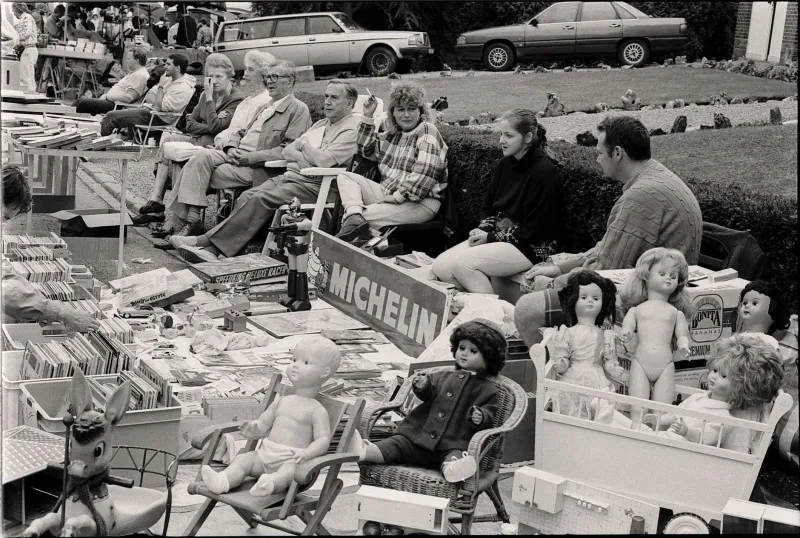
For collectors paying close attention, that process creates real opportunity. The dolls nobody wanted yesterday are out there right now, sitting in thrift store bins and estate sale tables, waiting for the moment the community remembers them. The question is whether you'll be there first.
If history is any guide, someone always is.