Your Doll Room Is Talking — Here's What the Community Is Hearing
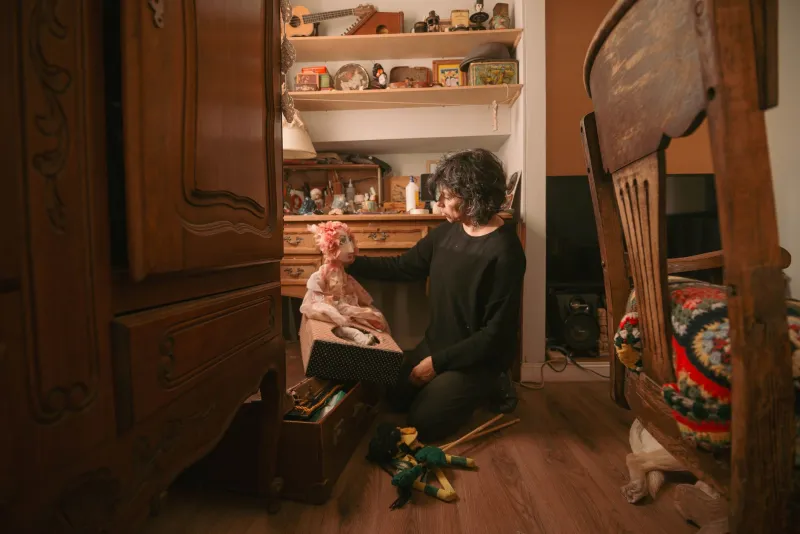
There's a moment that nearly every passionate doll collector knows. You've just finished arranging a new shelf, the lighting hits just right, and you snap a photo to share online. Within hours, the comments roll in — questions about your display cases, requests for a full room tour, DMs from collectors across the country who suddenly feel like they know you. That moment isn't accidental. Your doll room has become, whether you planned it or not, your most powerful community asset.
And collectors are starting to take that seriously.
From Storage Space to Social Currency
Not long ago, a doll room was simply where the dolls lived. Practical, private, maybe a little chaotic. But something shifted over the past several years — partly driven by social media, partly by the growing sophistication of the collector community itself. Today, a well-designed display space functions almost like a portfolio. It tells other collectors what you prioritize, how long you've been in the hobby, and what kind of trader or collaborator you might be.
"When someone shares their room and it's clearly organized and cared for, I automatically trust them more in a trade," says Maricel, a vintage Barbie specialist based in Phoenix who has been collecting for over two decades. "It sounds superficial, but it's really not. The room tells you a lot about how they handle their dolls."
This isn't just anecdotal. Across collector Facebook groups, Discord servers, and platforms like Instagram, room tour posts consistently outperform almost every other type of content. People aren't just admiring the dolls — they're studying the shelves, the lighting rigs, the labeling systems, the way someone has chosen to group their pieces.
The Design Choices That Actually Matter
So what separates a display room that generates buzz from one that gets a polite handful of likes? A few key decisions come up again and again when collectors talk about spaces they admire.
Lighting is everything. Collectors who have invested in adjustable LED strip lighting or dedicated display case lighting report that it completely transforms how their pieces read on camera — and in person. Warm-toned light tends to flatter vintage porcelain and bisque dolls, while cooler, brighter setups work well for modern fashion dolls with vibrant accessories. The goal is to eliminate harsh shadows without washing out the detail work.
Cohesion over quantity. The rooms that generate the most conversation tend to be curated, not crammed. That doesn't mean small collections only — some of the most celebrated collector spaces house hundreds of pieces. But there's a clear organizational logic at work, whether that's grouping by era, manufacturer, character, or even color palette. When a visitor (virtual or in-person) can immediately understand the system, it signals intentionality.
Accessibility and flow matter for in-person visits. Collectors who host swap meets, local club meetups, or informal viewing parties think about their room differently than those who only share online. Wider aisles, pieces at eye level, and clearly labeled sections turn a personal collection into something closer to a curated gallery experience. "I rearranged my whole back wall before my first local meetup," admits Trevor, a 1970s Ideal doll collector in Columbus, Ohio. "I wanted people to be able to actually see things without feeling like they'd knock something over."
The Psychology Behind the Status Symbol
It's worth pausing on why any of this matters to community standing. Doll collecting has always had its hierarchies — rarity of pieces, length of collecting history, depth of knowledge. But the display room introduces something different: it's one of the few areas where aesthetic sensibility and personal style carry real weight alongside traditional markers of expertise.
Psychologists who study hobbyist communities have noted that shared spaces — even virtual ones — create a sense of belonging and trust that purely transactional interactions can't replicate. When you invite someone into your doll room, even via a photo tour, you're offering a kind of intimacy. You're showing them not just what you own, but how you think.
For newer collectors, this can actually be an equalizer. Someone three years into the hobby with a thoughtfully arranged, well-lit display of mid-range pieces can generate more community engagement than a veteran with a poorly photographed, disorganized room full of grails. The data is right there in the engagement numbers.
Real Rooms, Real Impact
The collector community has developed its own informal hall of fame of legendary display spaces. Room tours shared on collector YouTube channels regularly pull tens of thousands of views. Certain Instagram accounts built almost entirely around room organization and display aesthetics have become go-to references for collectors planning their own setups.
What these spaces have in common isn't budget — some of the most-admired rooms were built on IKEA Detolf cases and thrift store shelving. It's intentionality. Every element has been considered. The result feels like an invitation rather than a warehouse.
Several collector clubs across the US have started incorporating room tour segments into their virtual meetups, specifically because members found that seeing each other's spaces built the kind of rapport that made trading and collaboration more natural. "You see someone's room and you immediately have a hundred things to talk about," says Renata, who organizes a regional collector group in the Pacific Northwest. "It's the best icebreaker we've found."
Setting Up Your Space With Community in Mind
If you're thinking about your own display room through this lens, a few practical starting points:
- Document your process. Before-and-after photos of a reorganization project generate significant community interest and position you as an active, evolving collector rather than a static one.
- Make it shareable. Even if you never host in person, design your space with photography in mind. A neutral or complementary background color, good lighting, and clear sightlines to featured pieces will make your room tour content much more compelling.
- Let your collection's personality come through. The rooms people remember aren't the most expensive — they're the most personal. A thematic display, a clever organizational quirk, or an unexpected pairing of pieces gives people something to respond to.
- Engage with other people's rooms. The community currency here flows both ways. Collectors who comment thoughtfully on others' display spaces consistently report stronger connections and more trading opportunities than those who only post their own content.
Your doll room was always more than storage. It just took the community a little while to catch up to what the best collectors already knew.