Beyond the Toy Aisle: 7 Places US Collectors Are Actually Scoring Rare Doll Finds
Every collector has a story. The woman who pulled a pristine 1960s American Character Tressy from a Goodwill bin in rural Tennessee. The guy who spotted a sealed Blythe prototype at a swap meet in Phoenix and paid $12 for it. The retired teacher in Vermont who discovered her late aunt's untouched collection of German bisque dolls in a cedar chest — and quietly became one of the most envied collectors in her region overnight.
These aren't flukes. They're the result of knowing where to look, when to show up, and what questions to ask. The doll collecting world rewards curiosity and consistency in ways that few other hobbies do. If you're still limiting your hunting to eBay and dedicated doll shows, you're leaving serious finds on the table.
Here's a real-talk breakdown of where US collectors are making their best discoveries right now.
1. Estate Sales: The Original Treasure Hunt
Estate sales remain the single most productive hunting ground for serious doll collectors, and the reasons are straightforward. When a home is being cleared — especially one belonging to someone who collected over several decades — items often surface that haven't been seen, priced, or touched in years. Estate sale companies frequently lack the specialized knowledge to accurately value vintage or niche dolls, which means pricing can be dramatically lower than market value.
The strategy: sign up for email alerts from local estate sale companies through sites like EstateSales.net. Look for listings that mention "toys," "collectibles," or "mid-century contents" in the description. Arrive early — for popular sales, first-day lines start forming well before doors open.
Celeste M., a longtime collector from suburban Chicago, scored a collection of 1950s hard plastic Madame Alexander dolls at an estate sale last spring for under $200 total. "The company had them priced as 'old dolls, various' with no individual research. I nearly cried."
2. Thrift Stores in Unexpected Zip Codes
Not all thrift stores are created equal. The ones in affluent suburban neighborhoods — particularly in areas with older demographics — tend to receive donations from households that accumulated quality items over decades. Stores in college towns also see surges of interesting donations at the start and end of each semester.
The overlooked move? Shopping thrift stores in smaller cities and rural areas when you're traveling. Inventory turnover is often slower, and items that would get snapped up immediately in a major metro can sit on a shelf in a small-town Goodwill for weeks. Check the toy aisle, yes, but also scan housewares and "collectibles" sections, where staff sometimes place items they recognize as different but can't quite categorize.
3. Flea Markets — Especially Dealer-Heavy Indoor Ones
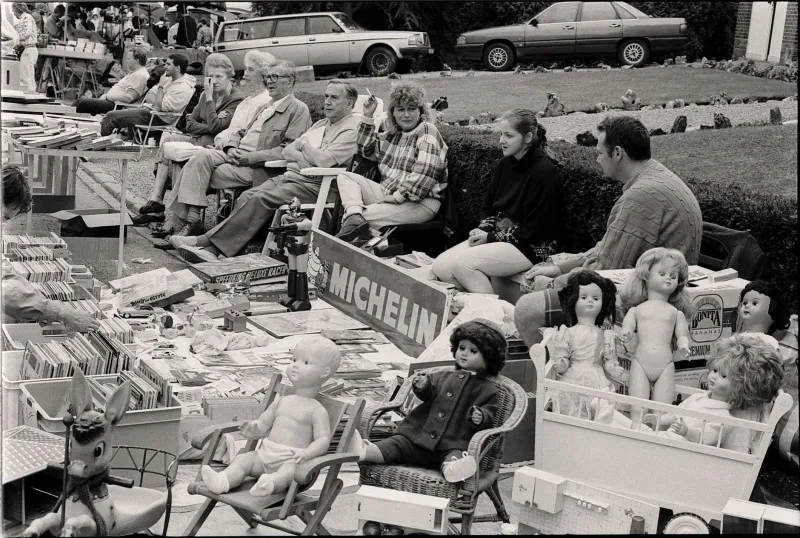
Outdoor flea markets are hit-or-miss, but large indoor flea markets with permanent dealer booths are a different animal entirely. Dealers who specialize in vintage housewares, mid-century items, or general antiques will often pick up doll lots without fully understanding what they have. A box of "old toys" might be priced as a unit when it contains pieces that are individually worth multiples of the asking price.
Build relationships with dealers whose booths you visit regularly. Let them know what you collect. Many dealers will hold items or give you a heads-up when something relevant comes in — a courtesy they extend to customers they recognize and trust.
4. Online Auction Platforms Beyond eBay
eBay is the default, but it's also where prices are most likely to reflect actual market value because competition is highest. Savvy collectors are increasingly watching platforms like HiBid and Proxibid, which host online bidding for physical auction houses across the country. These auctions often include estate contents and liquidation lots where doll items appear without specialized descriptions — meaning less competition from informed bidders.
Facebook Marketplace is another underrated source, particularly for local pickups. Sellers there are often moving items quickly and pricing for convenience rather than maximum return. Search specifically rather than browsing broadly — try doll names, brands, or era-specific terms rather than just "doll."
5. Antique Malls: Patience Pays Off
Antique malls require a different mindset than estate sales or thrift stores. Prices are generally higher and more researched, but the inventory turns over constantly as dealers restock their booths. The collectors who find the best pieces here visit regularly — monthly at minimum — and get to know which booths are worth watching.
The overlooked opportunity at antique malls is negotiation. Most booth prices include a dealer margin, and many dealers are willing to come down, especially on items that have been sitting. Asking politely never hurts, and building a relationship with a dealer whose booth you visit often can result in first-look opportunities before items even hit the floor.
6. Specialty Facebook Groups and Local Collector Networks
Some of the most significant trades and sales in the collector community never appear on any public platform. They happen inside closed Facebook groups, on collector forums, and through word-of-mouth networks that develop over time. Joining these spaces — and participating genuinely, not just lurking with intent to buy — puts you in the room where those conversations happen.
Local doll clubs, which exist in most mid-size and larger US cities, are particularly valuable. Members often sell or trade among themselves before listing publicly, and the prices reflect community relationships rather than pure market maximization. The National Doll Club of America and regional affiliates are good starting points for finding groups near you.
7. Storage Unit Auctions and Liquidation Sales
This one requires the most tolerance for uncertainty, but the payoffs can be remarkable. Storage unit auctions — either in-person or through platforms like StorageTreasures.com — occasionally surface collections that were placed in storage and never retrieved. Liquidation sales from toy stores, hobby shops, or retail closures can also yield interesting finds, particularly new-old-stock items.
The key is going in with realistic expectations. You might bid on a unit and find nothing relevant. But collectors who work this channel consistently report occasional extraordinary finds that more than offset the misses.
The Mindset Behind the Find
What separates collectors who make great finds from those who don't isn't luck — it's consistency, knowledge, and a willingness to show up in places others overlook. The more you handle dolls, study their markings, and learn their histories, the faster your eye develops for spotting something significant in a bin of overlooked items.
Keep a running list of what you're looking for. Carry it with you, or keep it on your phone. When opportunity appears — and in this hobby, it appears in the strangest places — you'll be ready to recognize it.