Cool, Dry, and Safe: Inside the Collector Movement Rethinking How We Store Dolls
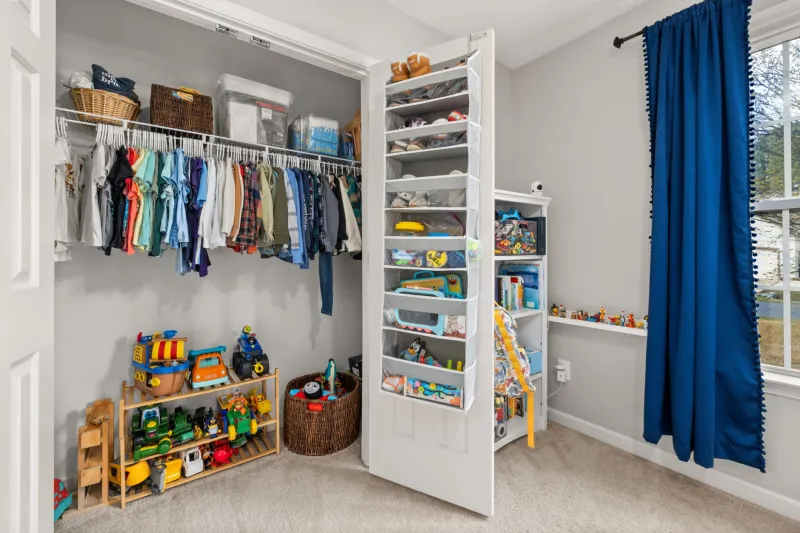
Somewhere in a suburb outside of Nashville, Tennessee, Linda Hargrove has a spare bedroom that most houseguests would find a little unusual. There are no beds, no dressers, no décor to speak of. What there is: a dedicated mini-split HVAC unit, a digital hygrometer mounted on the wall, blackout curtains on every window, and roughly 200 dolls—vintage Madame Alexanders, early Barbies, a few rare Cissy faces—resting in acid-free boxes on custom shelving. Linda isn't a museum curator. She's a retired schoolteacher who's been collecting for 35 years. And she'll tell you the storage room was the single best investment she ever made for her collection.
"I lost a Ginny to humidity damage before I got serious about this," she says. "The elastic had rotted, the face had yellowed, and the hair was just gone. That was a $400 doll. After that, I started doing my homework."
Linda isn't alone. Across the US, a growing segment of doll collectors—particularly those sitting on collections worth tens of thousands of dollars—are moving beyond the curio cabinet and into purpose-built or professionally managed storage environments. It's a shift that reflects both the rising monetary value of vintage and limited-edition dolls and a deeper cultural maturity in how the hobby approaches preservation.
Why Dolls Are More Fragile Than They Look
From the outside, a well-made doll looks sturdy. Hard plastic, bisque porcelain, rooted synthetic hair—these materials seem like they should hold up for decades without much fuss. The reality is more complicated.
Most doll materials are highly sensitive to environmental conditions. Humidity is the biggest villain. Relative humidity above 60% encourages mold growth on fabric clothing and wigs, causes elastic to degrade faster, and can lead to a phenomenon collectors call "doll disease"—a bacterial bloom that creates a powdery residue on hard plastic surfaces. Conversely, environments that are too dry (below 40% RH) can cause celluloid and early hard plastics to become brittle and crack.
Temperature swings are equally damaging. Repeated cycles of heating and cooling cause materials to expand and contract, stressing joints, cracking paint, and warping vinyl. UV light—even indirect sunlight through a window—degrades pigments and yellows lighter plastics over time. And then there's off-gassing: certain plastics release acidic vapors as they age, which can damage neighboring pieces if stored in confined, unventilated spaces.
In short, the average American living room is a pretty hostile environment for a serious collection.
The DIY Approach: Turning a Room Into a Vault
For collectors who own their homes and have the space, the most common solution is the dedicated climate-controlled room. The setup varies by budget, but the core elements tend to be consistent: a way to control temperature (ideally keeping it between 65–70°F), a way to manage humidity (a quality dehumidifier or a mini-split system with humidity control), light management (UV-filtering window film or blackout curtains), and appropriate storage materials.
On the storage materials front, the archival supply world has a lot to offer. Acid-free tissue paper, polyethylene bags, clamshell boxes, and foam padding designed for museum use are all available through suppliers like Gaylord Archival or Light Impressions. Many collectors also use these materials inside display cases, not just for boxed storage.
The cost to set up a dedicated doll room varies widely. A basic dehumidifier and blackout curtains might run you $200–$400. A proper mini-split system with humidity control can cost $1,500–$3,000 installed. Add shelving, archival supplies, and a monitoring system (smart hygrometers that send alerts to your phone are a game-changer), and a serious DIY setup might land anywhere from $2,000 to $6,000 total.
For collectors whose holdings are worth $20,000 or more, that math tends to work out pretty quickly.
Going Professional: Archival and Climate Storage Facilities
Not everyone has a spare room—or wants the responsibility of maintaining their own system. A smaller but growing group of collectors is turning to professional storage facilities that offer climate-controlled units.
Standard climate-controlled storage units (the kind you'd find at a facility like CubeSmart or Extra Space Storage) maintain temperature but don't always manage humidity with precision. For many collections, that's adequate. But for truly high-value or fragile pieces—early bisque dolls, antique composition figures, or rare paper-doll ephemera—some collectors are seeking out fine art storage facilities, which operate at museum-grade environmental standards.
Fine art storage typically runs $100–$400 per month depending on the space required and the facility's location, with major metro areas commanding premium rates. That's a significant ongoing expense, but collectors with pieces valued in the five-figure range often view it as insurance as much as storage.
The Cost-Benefit Reality Check
So when does it make financial sense to invest in serious storage? Here's a rough framework that collectors in our community have used:
Under $5,000 total collection value: A good dehumidifier, UV window film, and archival storage boxes are probably sufficient. Focus on avoiding direct sunlight and keeping humidity stable.
$5,000–$20,000: Consider a dedicated room with a proper humidity-control system. The upfront cost pays for itself if it prevents even one significant loss.
$20,000 and above: At this level, both a controlled environment and documented insurance coverage become essential. Professional appraisals every few years help you stay on top of value changes, and the case for professional storage becomes stronger.
Beyond the numbers, there's an emotional calculation too. For many collectors, these dolls represent decades of searching, saving, and storytelling. The financial value and the personal value aren't always the same thing—but both are worth protecting.
What the Data Room Community Is Doing
We asked our community about their storage setups, and the responses were illuminating. About a third of respondents said they'd made a deliberate upgrade to their storage environment in the past five years. The most common trigger? Either a close call with damage or the realization that their collection had grown in value beyond what they'd initially expected.
Several collectors mentioned that getting a formal appraisal was the wake-up call they needed. Once they saw a dollar figure attached to what was sitting in their guest room, the idea of climate control stopped feeling like an extravagance and started feeling like basic responsibility.
Linda Hargrove puts it simply: "These dolls survived 60, 70 years before they got to me. I want them to survive another 60 after I'm gone. That's worth a little investment."
Hard to argue with that.