Plastic, Porcelain, and Profit: What's Really Driving the Vintage Doll Market Past Five Figures
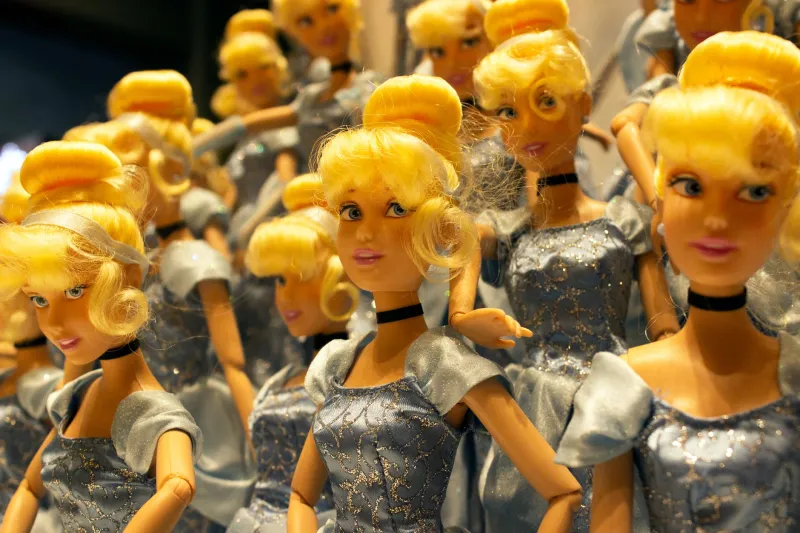
There's a room in a suburb outside of Nashville where the shelves are temperature-controlled, the lighting is UV-filtered, and the humidity never dips below 45 percent. Inside that room sits a collection of mid-century hard plastic and early vinyl dolls that its owner — a retired schoolteacher named Carla — conservatively estimates at around $85,000 in total value. One piece alone, a 1959 Barbie in original swimsuit with the box, is insured for $14,200.
"People think I'm joking when I tell them," Carla says. "They think it's a hobby. And it is. But it's also a really serious investment at this point."
Carla isn't alone. Across the country, a growing number of doll collectors are sitting on pieces that rival fine art, rare coins, and vintage watches in terms of market value. And as more people discover the depth of this hobby — through communities like Doll Data Room, through estate sales, through TikTok rabbit holes — the conversation around vintage dolls as a legitimate alternative investment is getting louder.
So what actually makes a doll worth thousands of dollars? And is this market stable enough to take seriously?
The Big Three: Condition, Rarity, and Provenance
Ask any experienced appraiser what drives doll value and they'll give you the same three-word answer: condition, rarity, provenance. But the devil, as always, is in the details.
Condition means something very specific in this world. Hair that hasn't been cut or restyled. Original clothing with no fading, no replaced snaps, no modern repairs. Face paint that's crisp and unretouched. Limbs that haven't been restrung with modern elastic. For hard plastic dolls from the late 1940s through the mid-1950s, crazing — that fine spiderweb cracking in the plastic — is a death sentence for top-tier value. A mint-condition Madame Alexander Cissy from 1956 with original tagged gown can fetch $800 to $1,500. The same doll with replaced shoes and a touched-up lip? Maybe $200 on a good day.
Rarity is where things get interesting. Limited production runs, regional exclusives, factory errors, and prototype pieces all command serious premiums. A standard 1960s Tammy doll might sell for $25. But a Tammy in a rare outfit sold only through a specific department store chain? That's a different conversation entirely.
Provenance — the documented history of a piece — is becoming increasingly important as the market matures. A doll that came directly from a designer's estate, or that appeared in a major exhibition, or that has a paper trail connecting it to a notable original owner carries a story. And in collecting, stories translate directly into dollars.
Authentication in the Age of Fakes
Here's the uncomfortable truth that longtime collectors will tell you quietly: the reproduction and fake market has gotten really good. Not just for accessories and clothing, but for the dolls themselves. As values have climbed, so has the incentive to deceive.
"I've seen replaced heads on original bodies sold as all-original," says Marcus, a collector and informal appraiser based in Portland, Oregon, who specializes in French and German bisque dolls from the 1880s through 1920s. "I've seen reproduction wigs on original dolls. I've seen composition bodies that have been repainted and then artificially aged. Some of it is really convincing to the untrained eye."
For high-value pieces — anything pushing $2,000 and above — Marcus recommends getting a written appraisal from a member of the United Federation of Doll Clubs (UFDC) or consulting with a specialist auction house like Theriault's, which has been authenticating and selling antique dolls for decades. Black light examination can reveal repaints and repairs invisible to the naked eye. For bisque and china dolls, checking the mold marks and comparing them against documented reference guides is essential.
The community itself is also a powerful authentication resource. Post a high-resolution photo in a knowledgeable collector group — the kind of deep-dive discussions that happen regularly in spaces like Doll Data Room — and experienced eyes will often spot problems within hours.
Storage as Strategy
Here's something that separates casual collectors from serious investors: how they store their pieces. UV light degrades vinyl and fades fabric. Humidity fluctuations cause composition to crack and bisque to develop hairlines. Acidic tissue paper yellows clothing over time. Improper storage can quietly destroy thousands of dollars in value over just a few years.
Carla's Nashville setup — climate control, UV-filtering film on the windows, archival tissue, and individual display cases with foam-lined shelves — represents the gold standard. But even apartment-based collectors can take meaningful steps. Keeping dolls away from direct sunlight, storing them in acid-free boxes, and avoiding attics or basements (where temperature swings are severe) makes a significant difference.
For clothing and accessories, flat storage in archival boxes beats hanging every time. Hanging causes fabric stress and can permanently distort original garments.
Is This Actually an Investment Vehicle?
Let's be honest about what the data shows. The vintage doll market doesn't have the liquidity of the stock market. Selling a $10,000 doll isn't like selling $10,000 worth of index funds — it requires finding the right buyer, at the right time, through the right channel. Auction house fees can run 15 to 25 percent. Private sales take time and networking.
That said, the trajectory for top-tier pieces has been consistently upward. A pristine #1 Ponytail Barbie in original packaging sold at auction in 2023 for over $10,000. Rare French fashion dolls with full trousseaux regularly clear $5,000 to $20,000 at specialist auctions. And as the Baby Boomer generation — the original Barbie kids — passes estates to younger heirs who don't collect, significant pieces are hitting the market and attracting serious buyers.
"I don't think of it as my retirement account," Carla says with a laugh. "But I also don't not think of it that way."
For collectors who are genuinely passionate about the hobby, the investment angle is a bonus rather than a primary motivation. The joy of hunting, the thrill of authentication, the community connections — those are the real returns. The financial upside is just a very welcome footnote.
If you're thinking about entering this space seriously, start with education. Read the reference guides. Attend UFDC conventions. Build relationships with reputable dealers. And yes — document everything. In this market, paperwork is almost as valuable as the doll itself.