Verify Before You Need To: Setting Up a Personal Authentication System That Actually Holds Up
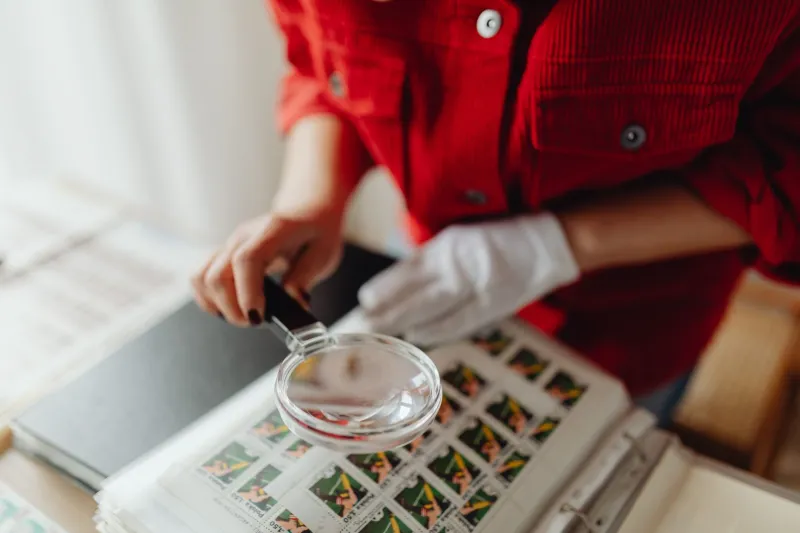
Here's a scenario that comes up more often than collectors like to admit: you've been buying and trading for a few years, your collection has grown into something genuinely significant, and someone — a potential buyer, a fellow collector, a family member trying to settle an estate — asks you to prove that a piece is what you say it is.
And you realize, maybe for the first time, that you can't.
Not because the pieces aren't authentic. They probably are. But because you never built a system to verify and document them, and now you're working backward through years of acquisitions with incomplete records and fading memories.
Building an authentication practice early — before you need it — is one of the most practical gifts you can give your future collecting self. Here's how to actually do it.
Why Early Is the Right Time
The instinct to put off authentication work is understandable. When you're starting out, the pieces you're acquiring often aren't high-stakes enough to feel like they warrant serious documentation. And the process of building a verification system feels like overhead when you'd rather be collecting.
But the case for doing it early is straightforward: it's dramatically easier to document a piece correctly at the time of acquisition than to reconstruct that documentation years later. The seller's contact information is fresh. The purchase price is accurate. The condition at time of purchase is visible. The provenance story — where the piece came from, who owned it before — is as complete as it's ever going to be.
Wait five years and none of that is reliably recoverable.
What Authentication Actually Means for Collectors
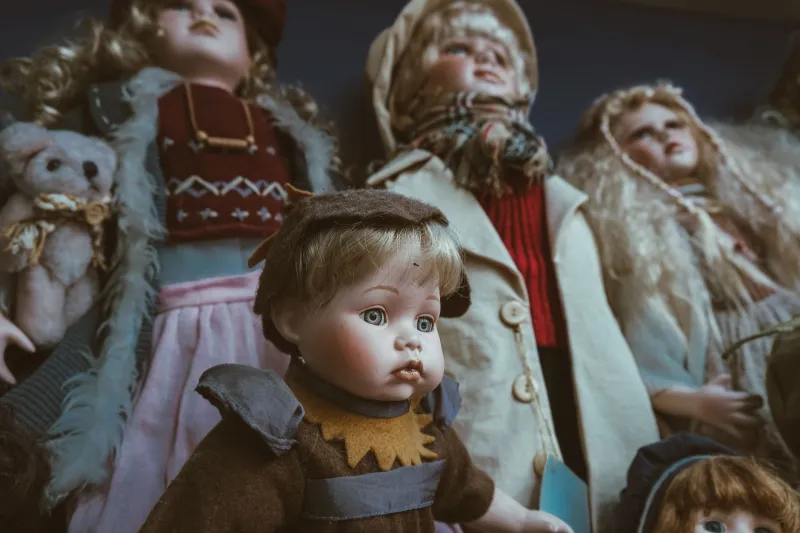
For doll collectors, authentication isn't a single thing. It's a cluster of related practices that together establish confidence in a piece's identity, origin, and condition history.
At the most basic level, it means being able to confirm that a piece is what it's represented to be — the correct manufacturer, production run, and variant. For vintage and limited-edition pieces, it extends to confirming the piece hasn't been significantly altered, repaired in ways that affect value, or misrepresented in terms of completeness.
For higher-value acquisitions, it can mean tracing provenance — the chain of ownership — back as far as the record allows. This matters both for establishing value and for identifying pieces that may have been stolen or fraudulently sold.
Your personal system doesn't need to handle every possible scenario from day one. It needs to be consistent, thorough enough to be useful, and maintainable over time.
Building Your Documentation Foundation
Start with a simple acquisition record for every piece you add to your collection. This doesn't need to be elaborate — a spreadsheet works fine — but it should capture a consistent set of information every time.
At minimum, record the acquisition date, the source (seller name and contact information if applicable, platform, or estate sale location), the price paid, and the condition at time of purchase. Add a brief description of any known provenance — where the seller said the piece came from, how long they'd owned it, any relevant history they shared.
Photograph every piece at acquisition, before anything else happens to it. Front, back, markings, any damage or wear, original packaging if present. These photos are your baseline condition record. If the piece is ever questioned, you want documentation of exactly what it looked like when it entered your collection.
Store these records somewhere that isn't just your head. A cloud-synced spreadsheet, a dedicated collector app, a physical binder — the medium matters less than the consistency and the backup.
Learning Your Lines
The most reliable authentication tool you have is deep knowledge of the specific lines and eras you collect. Fakes, misrepresentations, and honest mistakes are all much harder to spot when you're working from general knowledge rather than specific expertise.
For every line you collect seriously, invest time in learning the details that matter for authentication: the specific markings used in different production years, the materials and finishes that are correct for the era, the packaging details that distinguish genuine releases from later reproductions, the known variants and their distinguishing features.
This knowledge doesn't come quickly, but it compounds. After a few years of focused attention on a particular line, you develop an almost automatic sense of when something is off — before you can even articulate why.
Primary sources for this kind of knowledge include manufacturer documentation, established collector references and price guides, museum collection records (the Smithsonian and several major US toy museums have publicly accessible collection databases), and the accumulated expertise of long-term community members in collector forums and groups.
Red Flags That Should Slow You Down
Certain patterns show up repeatedly in pieces that turn out to be misrepresented. Not every red flag is definitive — sometimes the explanation is innocent — but each one warrants additional scrutiny before you commit.
Markings that don't match known production records for the claimed year or variant. Condition that seems inconsistent with the claimed age — either suspiciously pristine for something genuinely vintage, or showing the wrong kind of wear. Provenance that's vague in ways the seller can't clarify. Prices that are significantly below market for the claimed piece, which can indicate either a genuine find or a problem the seller knows about.
For pieces where the stakes are high, consider seeking a second opinion from a collector with deep expertise in the specific line before completing the purchase. Most serious collectors are willing to help with this kind of community due diligence, especially if you're a known and trusted member of the relevant community.
Resources Worth Knowing
Several resources are specifically useful for US-based collectors building authentication practices.
The major collector reference books for your specific lines are worth owning in physical form — they're more reliable than internet sources and document manufacturer specifications in detail. The Doll Collectors of America and similar organizations maintain expertise networks that can be tapped for authentication questions. For vintage pieces, auction house specialists at major houses with toy and doll departments have publicly available expertise and sometimes offer informal consultations.
For suspected fakes in well-documented lines, collector forums often maintain dedicated threads tracking known reproductions and the tells that distinguish them from originals. These community-maintained resources are frequently more current than published references.
Making the System Sustainable
The best authentication system is one you'll actually use consistently, which means it needs to fit into your actual collecting workflow rather than requiring a separate time investment every time you acquire something.
Build the documentation steps into your acquisition ritual. When a new piece arrives, photograph it before it goes on the shelf. When you complete a purchase, log the details before you close the browser tab. When you get provenance information from a seller, copy it into your record immediately rather than planning to do it later.
Review your records periodically — once or twice a year is enough — to fill gaps and update valuations based on current market information. This review also gives you a chance to identify pieces in your collection that warrant additional authentication attention as their market value increases.
The Credibility Dividend
There's a practical payoff to running a tight authentication operation that goes beyond protecting yourself from fraud.
Collectors who can document their pieces clearly and credibly are taken more seriously in trading and selling contexts. When you can show your work — here's the acquisition record, here are the condition photos, here's the provenance information — you're offering the kind of transparency that builds trust quickly.
In a community where reputation matters enormously, being known as someone whose documentation is solid is a genuine asset. It smooths transactions, supports higher asking prices, and signals the kind of seriousness that attracts quality trading partners.
The data you build about your collection is part of the collection's value. Treat it that way from the start.