Dolls, Dollars, and a Dream: Real Collectors Who Turned Their Hobby Into an Actual Income Stream
For most people, the doll hobby is a money-out situation. You buy, you display, you trade, and your bank account quietly takes the hit. But a growing number of collectors across the US are flipping that equation — finding ways to turn their expertise, creativity, and obsession into income that ranges from "nice little supplement" to "wait, I actually quit my day job."
It's not a get-rich-quick scenario. Nobody's retiring early from selling repainted Monster High dolls (probably). But the opportunities are real, the startup costs are often surprisingly low, and for collectors who are already deep in the hobby, the learning curve is shorter than you'd think. Here's how four people made it work.
The Flipper: Finding Profit in Other People's Overlooked Treasures
Jamie Kowalski started buying dolls at thrift stores in suburban Minneapolis with no intention of selling them. "I just wanted them," she laughs. "And then I ran out of room and started listing the duplicates online, and I realized I was making money almost by accident."
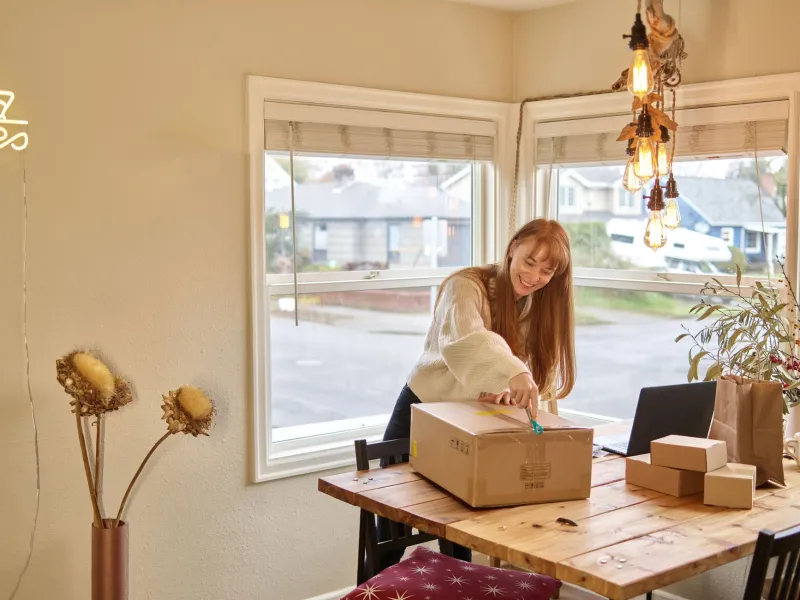
That accidental discovery turned into a deliberate strategy. Jamie now spends a few hours each weekend sourcing at Goodwill locations, estate sales, and Facebook Marketplace, focusing on dolls she knows are underpriced relative to their actual collector demand. She cleans them up, photographs them well, and lists them on eBay and Mercari.
"The photography piece is huge," she says. "I see people listing valuable dolls with terrible photos and wondering why they're not selling. I invested maybe $80 in a lightbox and a basic backdrop, and my sell-through rate went way up."
Jamie's realistic about the numbers: on a good month, she clears $400 to $600 in profit after sourcing costs and shipping supplies. It's not a full-time income, but it covers her own collecting habit entirely and then some. Her advice for anyone starting out: specialize. "Pick a niche — vintage Barbie, 1990s playline, whatever you actually know — and get really good at spotting value in that lane. Trying to know everything is how you make expensive mistakes."
The Customizer: Building a Client List One Repaint at a Time
Denver-based Priya Nair didn't set out to run a custom doll business. She was just posting her repaints on Instagram because she liked sharing her work. When her inbox started filling up with commission requests, she had a decision to make.
"I undercharged embarrassingly at first," Priya admits. "I was doing full repaints on fashion dolls for $35 because I didn't think anyone would pay more. Then I raised my prices and actually got more inquiries. It was a lesson in how pricing signals quality."
Priya now charges between $80 and $250 for custom work depending on complexity, and she maintains a waitlist that runs about six weeks out. Her specialty is collector-focused repaints — detailed face-ups on ball-jointed dolls and character-inspired customs on fashion dolls — and she's built a reputation in several online communities that keeps referrals coming steadily.
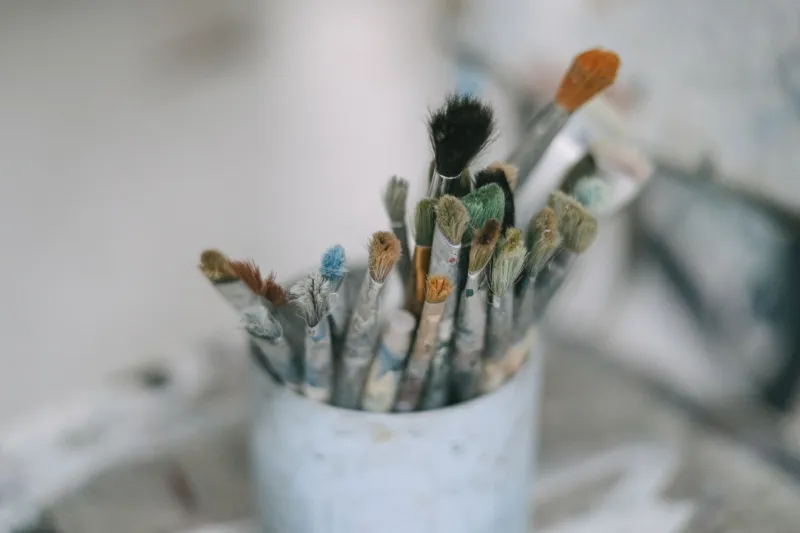
Startup costs were minimal because she already owned most of her supplies. A professional set of artist-grade acrylics, quality sealants, and fine brushes runs roughly $150 to $200 if you're starting from scratch. The bigger investment is time: Priya estimates she puts in eight to ten hours per commission. At her current rates, that's not a high hourly wage, but she's working toward raising prices again as her waitlist grows.
"The goal isn't to get rich," she says. "The goal is to do work I love and have it pay for itself — and then some. I'm there now."
The Content Creator: Turning Doll Knowledge Into Views and Revenue
Tamara Ellis launched her YouTube channel three years ago with a $200 camera and zero subscribers. Today, her channel — focused on vintage doll reviews, unboxing, and collector education — has grown to a size that generates real ad revenue and has attracted several brand partnership inquiries.
"The first year was humbling," Tamara says from her home in Atlanta. "I was making content for basically nobody. But I kept going because I genuinely loved it, and eventually the algorithm started working in my favor."
Tamara's content strategy is rooted in the same thing that makes her a respected collector: she actually knows her stuff. Her videos on identifying reproduction vintage Barbies versus originals consistently rank well in search, bringing in new viewers who then discover her broader content.
Monetization for YouTube creators varies wildly, but Tamara is transparent about her experience: ad revenue alone didn't become meaningful until she crossed 10,000 subscribers. Her real income breakthrough came from affiliate links (she earns a percentage when viewers buy products she recommends) and a Patreon where her most dedicated followers pay a monthly fee for bonus content.
"If someone told me it would take two years to make my first $100 from this channel, I might have quit," she admits. "But if they'd also told me I'd eventually be making a few thousand dollars a month doing something I'd do for free anyway, I would have started sooner."
The Product Creator: From Collector Need to Small Business
Sometimes the best business idea comes from a problem you can't find a good solution for. That's what happened to Marcus Webb in Austin, Texas, who spent years frustrated by the lack of quality display accessories scaled appropriately for his collection of fashion dolls.
"I started making my own little furniture pieces and display stands because what was available was either too expensive, too cheap, or the wrong scale," he explains. "I put a few extras in an Etsy shop mostly as a joke, and they sold immediately."
Marcus now runs a modest but growing Etsy operation selling handcrafted miniature furniture, display risers, and custom storage solutions designed specifically for fashion doll collectors. He works primarily with wood and acrylic, uses tools he already owned, and keeps his product line intentionally small to manage production time.
Startup costs for his operation were around $300 — mostly materials and Etsy listing fees. Monthly revenue hovers between $500 and $1,200 depending on season, with the holiday months being significantly stronger. He's considering expanding into custom orders but is cautious about scaling faster than he can handle solo.
"The doll community is incredibly supportive of small makers," Marcus says. "If you make something genuinely useful and price it fairly, people will find you."
What All Four Have in Common
Despite taking very different paths, Jamie, Priya, Tamara, and Marcus share a few key traits that seem to matter more than any specific business model.
First, they all started from genuine knowledge. None of them faked expertise — they were already deep in the hobby before they tried to monetize it, and that authenticity comes through in everything they do.
Second, they all started small and let the business grow organically before making significant investments. None of them quit their jobs on day one or borrowed money to fund an ambitious launch.
Third, they all lean into community. The doll collector world — including spaces like Doll Data Room — rewards people who give back: sharing knowledge, engaging genuinely, and treating buyers and followers like humans rather than revenue sources.
If you've been sitting on a collection and wondering whether there's something more there, the answer is probably yes. The question is just which direction makes the most sense for your particular skills and obsessions. Start small, stay honest about the numbers, and let the hobby lead the way.