Box or No Box: How the Mint-in-Box Obsession Split the Doll Market in Two
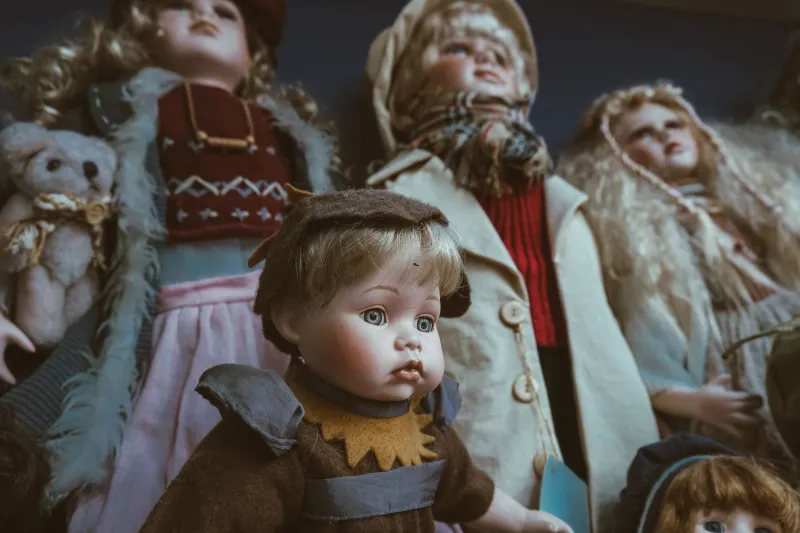
Pull up any major doll auction platform on a Tuesday afternoon and run the same search twice — once filtered for mint in box, once without. What you're looking at is essentially two parallel markets for the same object, operating by different rules, attracting different buyers, and generating wildly different prices.
A 1960s Barbie in her original box with intact packaging, unplayed condition, and original accessories can fetch prices that make people outside the hobby do a double-take. The same doll, same year, same factory run — just played with, loved, maybe with a haircut and some marker on one foot — might sell for a fraction of that. Sometimes a very small fraction.
This is the condition premium, and it has fundamentally reshaped how serious doll collecting works in the US. Whether that reshaping is a good thing depends enormously on who you ask.
How MIB Became the Gold Standard
The mint-in-box obsession didn't appear overnight. It evolved alongside the broader collectibles market, which in the 1980s and 1990s was heavily influenced by the sports card and comic book industries — both of which had developed rigid grading systems that tied value tightly to condition.
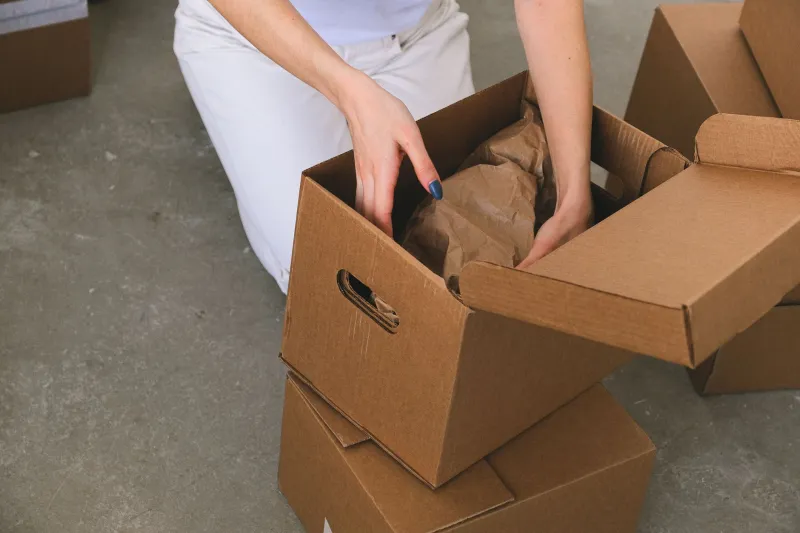
As doll collecting matured from a childhood activity into a recognized investment category, it borrowed that framework. Condition became a proxy for authenticity, care, and value. The logic made some sense: a doll that had never been removed from its packaging was a more complete artifact. The box, the accessories, the original tissue paper — these things provided historical context that a loose doll simply couldn't offer in the same way.
Professional grading services eventually entered the space, offering third-party condition certification that gave buyers confidence in online transactions. Once graded dolls started commanding significant premiums, the market signal was clear: condition wasn't just a preference, it was the preference.
What Gets Lost in the Grading
Here's the tension that's been simmering in collector communities for years: a played-with doll is not a lesser doll. It's a differently historied one.
The vintage Barbie that a kid in Ohio dragged everywhere through 1965 — the one with the faded hair and the slightly bent arm — is just as real, just as rare, and in some ways more culturally interesting than her sealed-box counterpart. She was actually used. She was part of someone's childhood. She has a story.
Customizers and restoration collectors have been making this argument loudly for a while now, and they're finding more sympathetic ears than they used to. The customization community in particular has built an entire creative practice around the idea that a doll's value isn't locked in its factory state — that transformation, repair, and reimagining are forms of engagement with the object, not violations of it.
From their perspective, the MIB standard doesn't just devalue played-with dolls. It implicitly dismisses the entire idea that interaction with a doll has meaning. It treats the unopened package as the ideal endpoint of the object's existence, which is a genuinely strange position when you think about it too hard.
The Two-Tiered Market in Practice
The practical effect of the condition premium is that the doll market has fractured into two populations that don't always overlap.
At the top tier, you have investment-oriented collectors — often with backgrounds in other collectibles markets — who are primarily interested in documented, graded, condition-certified pieces. For them, the box isn't packaging. It's provenance. They're buying an asset, and the asset's value depends on its condition grade the same way a coin's value depends on its numismatic rating.
At the second tier, you have a much larger population of collectors who actually like dolls — who want to display them, handle them, research them, and sometimes transform them. This group finds the MIB premium frustrating at best and exclusionary at worst. The dolls they can afford are increasingly the ones that investment collectors have passed over, which creates its own kind of market dynamic.
The interesting thing is that the second-tier market is, by most accounts, more active and more community-driven. The people trading played-with vintage pieces are more likely to be deeply knowledgeable about doll history, more engaged in collector forums, and more willing to share what they know. The investment-grade market is quieter, more transactional, and less connected to the cultural fabric of the hobby.
Who Actually Benefits From the Condition Premium
Follow the money and the answer gets clearer. The condition premium benefits sellers of high-grade pieces, grading services, and auction platforms that charge percentage-based fees on higher sale prices. It also benefits the relatively small number of collectors who got into the market early and are sitting on pristine, documented pieces they acquired before the premium fully developed.
For the average collector entering the hobby today, the condition premium creates a steeper climb. The most historically significant dolls — the ones that tell the richest stories about American toy culture and design history — are increasingly priced out of reach unless they show signs of play. Which means the entry point into serious collecting is either "buy played-with" or "spend a lot more than you expected."
This isn't unique to dolls. The same dynamic plays out in vintage sneakers, comic books, trading cards, and action figures. But doll collecting has a particular cultural dimension that makes it worth examining separately: the hobby has deep roots in childhood experience, and the MIB standard essentially penalizes the most natural relationship a child can have with a doll.
Is the Pendulum Swinging?
There are signs that alternative collecting philosophies are gaining ground, particularly among younger collectors who came up in communities that valued customization, restoration, and personal expression over pristine preservation.
Online spaces dedicated to doll customization have exploded in recent years. The aesthetic of the thoughtfully restored, creatively reimagined, or skillfully repaired doll is genuinely popular in ways it wasn't a decade ago. Collectors are posting played-with vintage finds with the same enthusiasm that used to be reserved for MIB scores — and getting real engagement.
Some dealers have started explicitly marketing "honest wear" pieces as a distinct category rather than a discount bin. The framing matters: these aren't damaged goods, they're dolls with documented play history, which is itself a form of provenance.
Whether this shifts the valuation calculus meaningfully remains to be seen. Markets move slowly, and the grading infrastructure that supports the MIB premium isn't going anywhere. But the conversation is opening up, and that's worth paying attention to.
What Kind of Collector Are You?
Ultimately, the MIB debate is a proxy for a bigger question about what doll collecting is actually for.
If it's an investment strategy, condition is everything and the box matters enormously. If it's a form of cultural engagement, historical research, or creative practice, then a played-with doll isn't a consolation prize — it's often the more interesting object.
Both positions are legitimate. What's less legitimate is pretending there's only one way to do this, or that the condition premium reflects some objective truth about a doll's worth rather than a market convention that serves specific interests.
The data room is big enough for both kinds of collectors. The question is whether the market will eventually catch up to that reality.