Five Restoration Moves That End in Tears — and How to Know When You're in Over Your Head
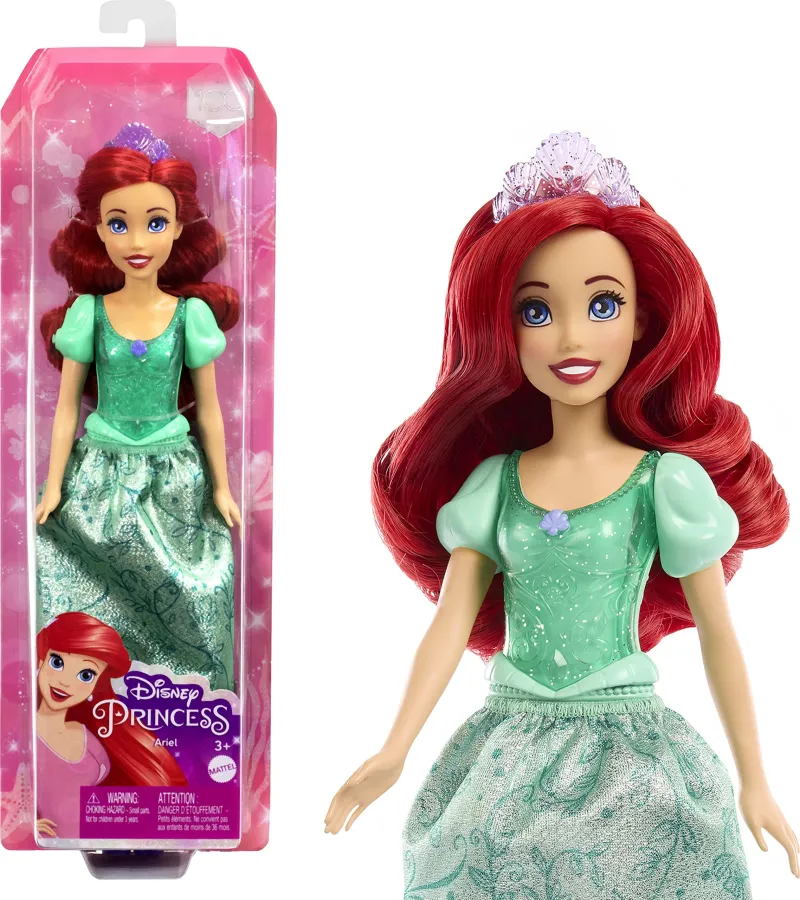
Photo: doll restoration workspace with tools brushes and vintage doll, via m.media-amazon.com
Every doll restorer has a story that starts the same way: "They brought her to me in a shoebox." What follows is usually a tale of good intentions, a YouTube tutorial, and a vintage doll that's now worth a fraction of what it was before the project began.
DIY restoration is one of the best parts of this hobby. It's also the fastest way to destroy value when you skip the research step. We asked professional restorers which fixes generate the most rescue calls, and the same five came up again and again. Here they are, ranked from "proceed with caution" to "please, put the acetone down."
Risk Tier 1: Sun-Bleaching Hair and Vinyl
The technique: leaving a doll in a sunny windowsill to fade stains or yellowed vinyl. The reality: sun-bleaching is slow, inconsistent, and completely dependent on your local climate and window glass. Collectors in Arizona and collectors in Seattle will get wildly different results from the same doll.
The bigger problem is UV damage is cumulative and permanent. Leave a doll out too long and you don't just fade the stain — you degrade the vinyl itself, creating a chalky surface texture that can't be reversed. Restorers recommend UV LED lamps with timed cycles instead: controlled, reversible in the sense that you can stop, and far less likely to cook your doll while you're at work.
Risk Tier 2: The Boiling Water Facelift
Popular in the fashion doll community, the boil perm or boil facelift involves dunking a doll's head in near-boiling water to reset rooted hair or soften vinyl. Done carefully, on the right doll, it works. Done carelessly, you get warped face sculpts, melted features, and permanently frizzed hair.
The failure mode is almost always temperature. Vinyl softens somewhere between 140°F and 180°F depending on formulation, and you can't tell what you're working with by look or feel. If you're going to try it, use a thermometer, test on a junker first, and never — never — microwave.
Risk Tier 3: Ill-Advised Repaints on Collectible Faces
Repainting a playline doll you bought for $5? Go wild. Repainting a collectible face? That's where restorers start wincing. Original factory face paint is a huge part of a vintage doll's value, and once it's stripped, there's no going back. A hand-painted face — even a skilled one — reads as "customized" to the market, and customized usually means cheaper unless the artist has a name.
The rule of thumb professionals use: the rarer the doll, the more the original face matters. If you're not sure what you have, get an ID before you reach for the acetone.
Risk Tier 4: Acetone and Harsh Solvents
Acetone is the most common chemical mishap in the hobby. On the right vinyl, in small amounts, it removes ink marks and paint transfer. On the wrong vinyl, it melts the surface, causes a sticky texture that attracts dirt forever, or bleaches the color outright. It also dissolves some factory face paints instantly — including the ones you didn't mean to touch.
Professionals recommend starting with the gentlest option that could possibly work: soapy water, then isopropyl alcohol diluted, then specialized vinyl cleaners. Escalate only if the doll survives each step.
Risk Tier 5: Rewigging and Re-rooting Without a Plan
Re-rooting a doll's scalp is hours of meticulous work with a real skill curve, and a botched job leaves visible plugs, scalp damage, or a head that leaks stuffing. Rewigging sounds easier until the glue seeps through the cap and ruins the vinyl underneath. Both are learnable — on practice heads first, not on the doll your aunt left you.
The Decision Checklist: DIY or Professional?
Before starting any restoration, run through these five questions:
- What is this doll actually worth? Check sold listings, not asking prices. Under $25? Low stakes. Rare? Keep reading.
- Have I practiced this exact technique on a junker? Not a similar doll. The same doll type, same vinyl, same hair fiber.
- Is the damage stable? Active deterioration (sticky vinyl, spreading stains) sometimes needs professional intervention just to stop the clock.
- Can I afford the worst-case outcome? If a failed attempt means losing the doll entirely, and that loss would genuinely sting, that's your answer.
- Am I doing this because the doll needs it, or because I want the project? Both are valid reasons — just be honest about which one you're choosing.
The restorers we spoke to all said the same closing thing: they love saving dolls, but they'd rather see fewer shoeboxes. An hour of research and a $10 practice doll prevents most of the heartbreak.