Nobody in the Will Wants the Shelves: Estate Planning for the Doll Collector
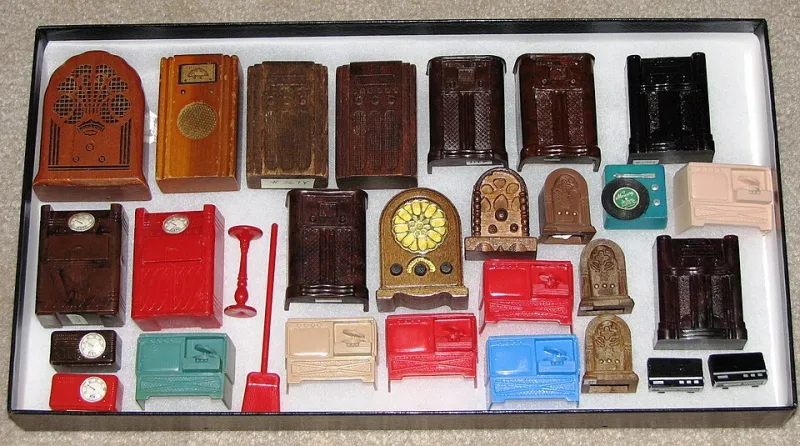
Photo: Joe Haupt from USA, CC BY-SA 2.0, via Wikimedia Commons
There's a conversation happening in doll collecting circles that used to be whispered and is now practically a seminar topic: what on earth happens to all of this?
Not "what happens to my dolls when I'm done collecting" — collectors handle that all the time with sales and trades. The harder question is what happens when you're gone, or when you can no longer manage the collection, and the people left holding the keys have no idea what they're holding.
The $40,000 Garage Sale Problem
Ask around in any major doll community and you'll hear versions of the same horror story. A lifelong collector passes away. The adult children, grieving and overwhelmed, hold an estate sale or call a junk hauler. The Madame Alexander collection that appraised at five figures moves for $200, boxed and priced like yard-sale Tupperware.
Estate attorneys see this constantly across all collectible categories, and dolls are particularly vulnerable. Unlike coins or firearms, which heirs at least know might be valuable, a shelf of dolls can look like, well, a shelf of dolls to an outsider. Value in this hobby lives in details — face paint variations, original outfits, box condition, provenance — that require insider knowledge to even notice.
What the Planners Say
Estate professionals have a consistent message for collectors: a collection you haven't documented is, from their perspective, just clutter with sentimental weight.
The core steps they recommend are simple in theory:
- Inventory everything worth more than a few hundred dollars, with photos, condition notes, and what you paid or what comparable sales suggest it's worth
- Name the collection specifically in your will or trust, rather than letting it fall into a generic "personal effects" bucket
- Appoint a knowledgeable executor or a "collection consultant" — a fellow collector the family can call who knows what they're looking at
- Revisit the appraisal every few years, because doll markets move the same way every other market does
The documentation piece is where doll collectors actually have a head start. If you've been keeping records the way serious collectors in this community do — purchase dates, condition photos, provenance notes — you've already done most of the estate planning heavy lifting. You just haven't labeled it that yet.
The Heirs Speak
The inheritors tell a more complicated story than the horror stories suggest.
Some describe genuine relief when a parent left behind a detailed spreadsheet and a letter naming a preferred dealer. One woman whose mother collected vintage Barbie for four decades said the inventory binder "turned a nightmare week into a manageable project" — the family sold through a reputable consignment dealer and honored her mother's wishes about which pieces went to a dedicated collector.
Others describe the guilt of keeping boxes they'll never open, because selling feels like betrayal and displaying feels like obligation. That middle ground — holding a collection hostage out of grief — is arguably the most common outcome, and nobody plans for it.
The collectors who've made peace with the question tend to land on the same advice: talk to your kids now. Show them the shelf. Explain which three dolls matter most and why. You don't need them to love the hobby. You just need them to know it has value and a plan attached.
The Exit Options, Ranked by Realism
Family first. Works great if someone in the next generation actually collects. Doesn't work if you're hoping to spark an interest that isn't there. Sentiment can't be willed.
Direct sale through a specialty dealer or auction house. The best route for high-value collections, and the one where your documentation pays off most directly. Dealers take commissions, but they take the headache too.
Community sale. Selling to fellow collectors through the networks you built while collecting. Often the most satisfying outcome — your pieces go to people who understand them — though it takes time and coordination from your heirs.
Donation. Some museums and historical societies accept dolls, though be realistic: most institutions are selective, and "donate it" is not a catch-all solution. Smaller local historical societies and university costume collections are often more receptive than the big-name institutions.
The estate sale. The default. The one that turns $40,000 into $400.
Start With One Document
If the full estate plan feels overwhelming, start smaller. Create a single document — digital or paper — that lists your most valuable pieces, photographs them, and names one person your family can contact who knows the doll world. Put it somewhere your heirs will find it.
You've spent years building knowledge about what makes these objects valuable. The kindest thing you can do is make sure that knowledge doesn't die with your interest in the hobby.
Your heirs don't have to love your dolls. They just deserve to know what they're looking at.