The Shelf That Doubles as a Portfolio: Can Dolls Really Be a Retirement Plan?
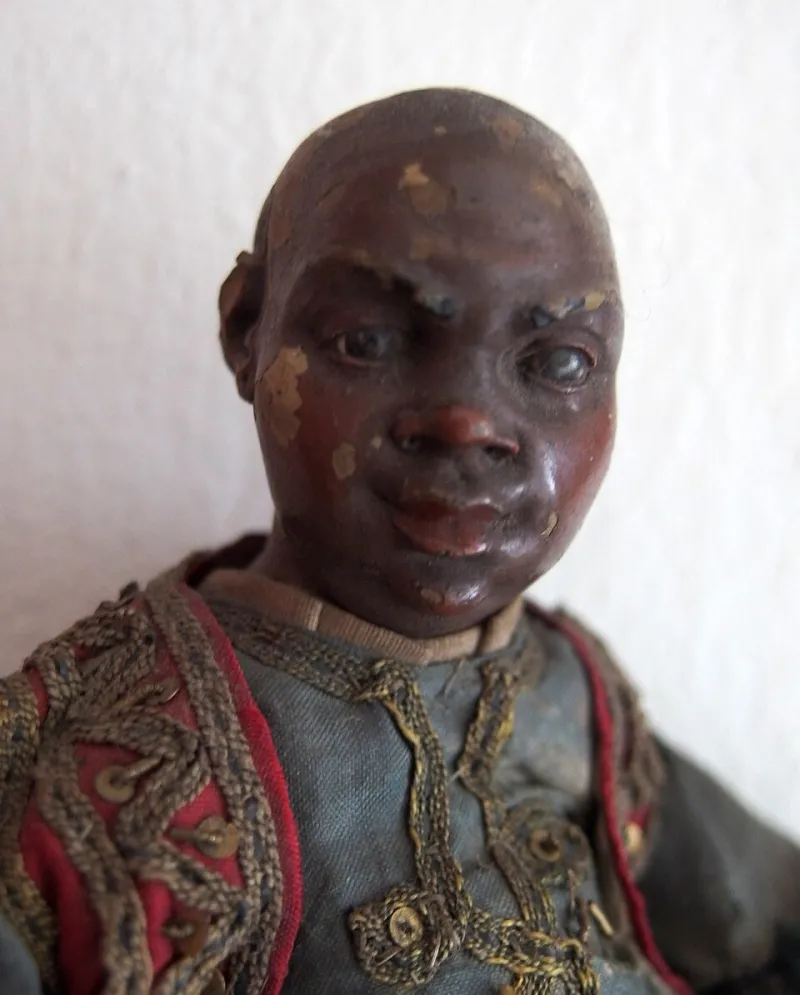
Photo: Jula2812, CC BY-SA 4.0, via Wikimedia Commons
Every collector has had the thought. Maybe it hits while reading an auction result for a doll you own two of. Maybe it hits while dusting shelves and doing the mental math on what everything might fetch. Somewhere along the line, a hobby became a number, and now you can't unsee it.
Can a doll collection be an investment? Should it be? I've spent the last few weeks talking to collectors, dealers, and one very patient financial advisor, and the honest answer is: it depends on what you mean by "investment." And that ambiguity is exactly where collectors get hurt.
What the Finance People Say (It's Not Personal)
Ask a financial advisor about collectibles as a retirement vehicle and you'll get a list of legitimate objections. Collectibles are illiquid — you can sell a stock in seconds; a niche doll might take months to find the right buyer. They're unregulated, which makes fraud a real risk. They generate no income while you hold them. They can be damaged, lost, or stolen in ways no index fund can be. And critically, their value depends on a buyer pool that's defined by taste, and tastes change.
All true. And yet the advisor's blanket dismissal misses something the doll market actually demonstrates: certain categories of collectible dolls have appreciated dramatically over the decades. Early vintage pieces, rare limited editions, and artist customs with strong reputations have all outperformed plenty of traditional assets in specific windows of time. The advisor is right that dolls aren't a portfolio. The collectors are right that some dolls have been assets.
Both things are true. That's the whole problem.
The Collectors Who Actually Cashed Out
The stories from collectors who've sold big are instructive precisely because they're not get-rich-quick tales.
The pattern among the successful sellers is remarkably consistent: they held for decades, not years. They specialized deeply — one niche, one era, one maker — until their knowledge was better than any dealer's. And they sold during a window when they'd already decided to leave the hobby, not because they needed the money mid-collecting.
The failures follow a pattern too: buying what was hot, chasing hype-driven price spikes, and treating every purchase like a position in a portfolio rather than an object to live with. When hype prices correct — and in every collectible category, they correct — the portfolio-thinkers get wiped out and the lovers of the objects barely notice.
The Real Conflict Isn't Financial
Here's the tension nobody talks about enough: the moment you start valuing your collection as an asset, it changes what the collection is.
A doll you love is a doll you handle, display, photograph, and enjoy. A doll that's an "asset" is a doll you stop restringing because it might affect the grade. You stop customizing. You stop letting friends' kids hold it. You start thinking of your hobby space as a vault.
Plenty of collectors have made that trade consciously and don't regret it. But plenty more have drifted into it without deciding to, and woke up one day realizing they'd stopped enjoying the thing they supposedly did for joy.
A Middle Path That Actually Works
If you're looking for a defensible position, it's probably this:
Treat your collection as a store of value, not a growth engine. Money spent on pieces you love, chosen with knowledge and documented carefully, tends to retain meaningful value over decades. That's a real financial property, and it's more than most purchases can say.
But never count on it for retirement. Your 401(k) doesn't care about condition grades, and neither should your financial plan. If your collection appreciates, wonderful — that's a bonus, not a plan.
Do the unglamorous work anyway. Document everything, insure it properly, and keep records of what you paid. Not because it's a portfolio, but because any collection worth having is worth protecting.
The doll on your shelf is not a stock. It's an object that happens to sometimes behave like one. Collectors who understand the difference tend to come out ahead — financially and otherwise.