Mailing Your Grail to a Stranger: The Garage Restorers Holding the Hobby Together
Photo: Shixart1985, CC BY 2.0, via Wikimedia Commons
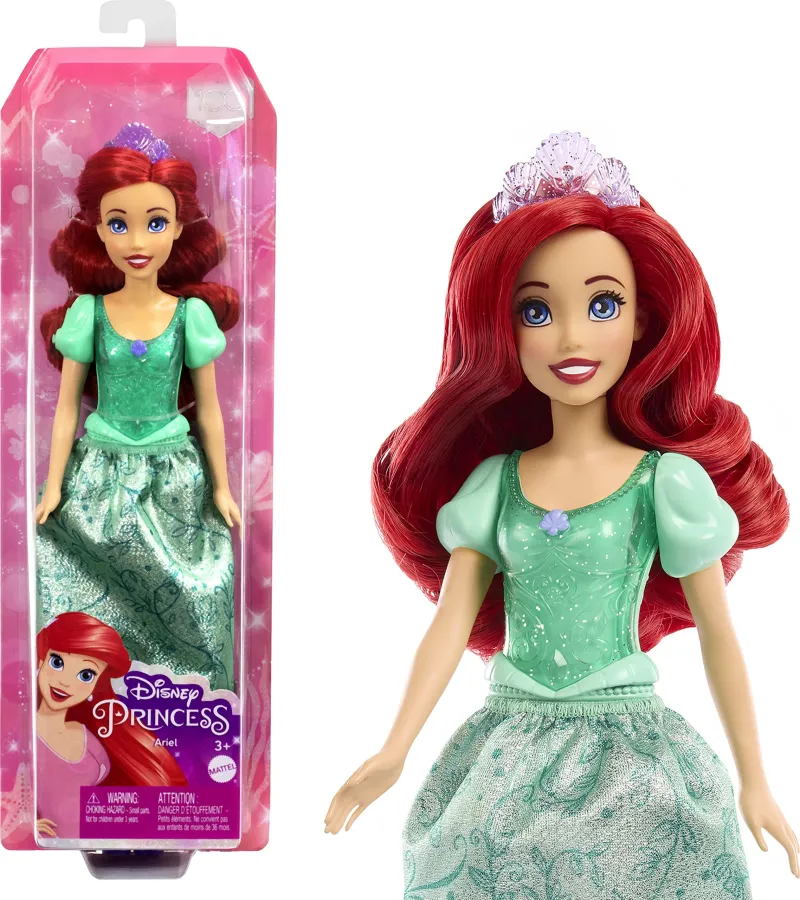
The doll arrives in a box padded with bubble wrap and, often, a handwritten note: please be gentle with her, she was my mother's.
For the restorers of the doll world, this is Tuesday.
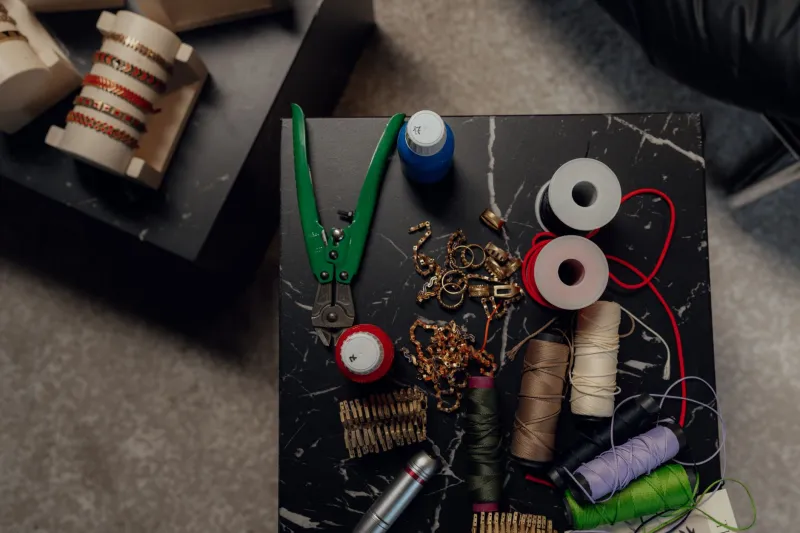
Scattered across the country — a converted garage in Ohio, a spare bedroom in Georgia, a kitchen table in a Phoenix apartment — is a network of independent repair artists with no storefronts, no formal licensing, and waitlists that can stretch past a year. They restring ball-jointed dolls, replace cracked vinyl, match discontinued face paint by eye, and coax brittle 1960s hair back into something presentable. Collectors call them doctors. Some send flowers. One restorer we spoke with has been sent cookies by three separate clients.
An Economy Built on Vibes and PayPal Invoices
Here's what makes this corner of the hobby remarkable: almost none of it is formal. There's no certification body for doll restoration. No insurance requirements. No standardized pricing. A restorer's reputation is built on Instagram posts, forum reviews, and word of mouth in Facebook groups — and that reputation is essentially the entire business.
Pricing is all over the map. A simple restring might run $25–$60. A full facial repaint on a BJD can hit $150–$300. Full restoration of a vintage doll — cleaning, hair, repaint, clothing repair — can easily clear $400. The artists we spoke with consistently said they undercharge, usually because they started as hobbyists and feel guilty charging "real money."
"I did a restoration last month that took me 22 hours," says one restorer who asked to be identified only by her Instagram handle. "I charged $250. Do the math. I love it, but I've stopped telling people my rates at doll shows because I get a lecture."
Demand, meanwhile, keeps outpacing supply. Vintage dolls are aging into fragility all at once — the Barbie and Chatty Cathy generation of toys is now 60-plus years old — while the pool of people with the skills to fix them stays small. Several restorers told us they've closed their waitlists entirely.
The Trust Question
From the outside, the whole arrangement looks insane: you're mailing a sometimes-irreplaceable doll — often a family heirloom — to a stranger you found on the internet.
But collectors who do this regularly describe a fairly well-evolved etiquette, and it runs both ways.
What smart clients ask before shipping:
- Can I see before/after photos of similar work, ideally on the same doll type?
- What's your current turnaround time, honestly?
- Do you provide a written estimate before starting, and how do you handle surprises?
- What's your policy if something breaks in your care?
- How do you pack dolls for return shipping?
What good restorers ask clients:
- Detailed photos before anything ships
- An honest history of the doll (previous repairs, storage conditions)
- Realistic expectations — some damage is stable, not reversible
The best relationships, both sides say, involve the restorer sometimes talking a client out of work. "I've told people, 'I can fix this, but the repair will be visible, and I don't think you'll be happier,'" one artist told us. "Saying no builds more trust than saying yes."
The Gray Areas
The informality has a shadow side. Without contracts, disputes get messy. A handful of collectors shared stories of dolls stuck in limbo for a year, or restorers who went quiet mid-project. Since there's no licensing, recourse is basically limited to chargebacks and community callouts — which is why the recommendation culture in doll groups is so intense. One bad actor gets documented thoroughly and permanently.
There's also a philosophical fault line: restoration versus preservation. Some collectors want dolls brought back to showroom glory; others believe original condition — even damaged — is the point. Good restorers ask which camp you're in before touching a thing.
How to Find a Good One
The usual pipeline: doll shows and conventions, where restorers often have tables; Facebook groups dedicated to specific doll lines, where you can search reviews by name; and Instagram, where the portfolio is the storefront. Cross-reference everything. A restorer with consistent praise across multiple platforms and years of posts is a very different risk than a brand-new account with three photos.
And when you find a good one? Be patient, pay on time, and send the update photos when the doll's back home. This economy runs on trust — and, apparently, cookies.