The Pull That Hooks You: Inside the Blind Box Economy and the Math Nobody Shows You
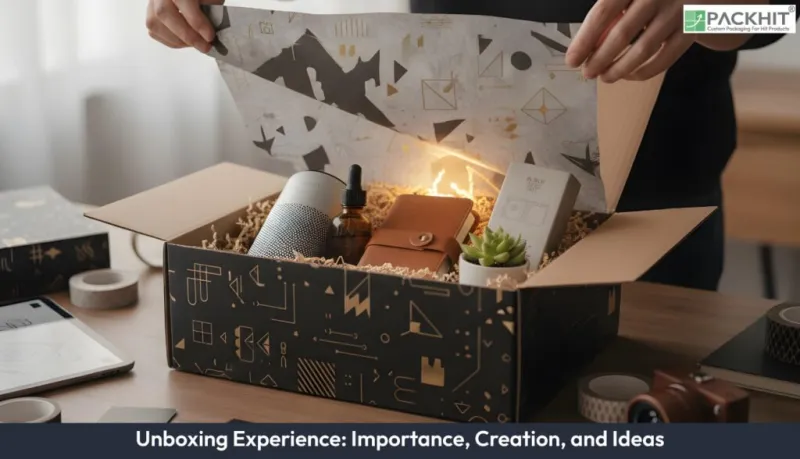
Photo: unboxing colorful surprise blind box toys on table, via packhit.co.uk
There's a specific sound a blind box makes when you shake it. Ask any serious collector and they'll tell you they've tried to become experts at it — the rattle of the sealed bag, the weight distribution, the tiny plastic-on-plastic click that might mean a chase figure is inside. It's all folklore, of course. But that's kind of the point.
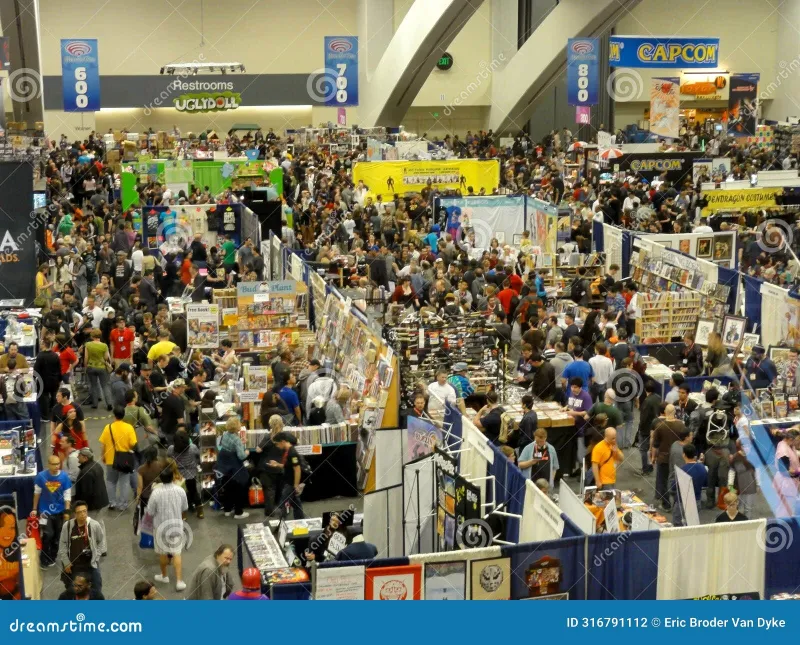
Blind box dolls and mystery grab bags have exploded across the US collector scene, and the adult market is driving most of it. What started as a toy aisle gimmick has become a full-blown economy, complete with trading meetups, unboxing channels with millions of views, and resale prices that would make a vintage dealer blush.
The Psychology of the Sealed Box
The mechanics here aren't subtle once you see them. Behavioral scientists have known for decades that variable rewards — the same structure behind slot machines — produce far more repeat behavior than predictable ones. A $12 blind box isn't really a purchase. It's a ticket to a drawing where the prize is another purchase you get to keep.
Collectors describe the experience in strikingly consistent terms. "It's the closest thing to Vegas I can do on my lunch break," one Midwest-based collector told us, only half-joking. "I know the odds. I know I don't need another duplicate. I buy it anyway."
That self-awareness is common — and it doesn't seem to help. The dopamine hit isn't tied to the doll. It's tied to the not knowing, which means the fix only lasts until the next sealed box hits the shelf.
Chase Culture and Duplicate Fatigue
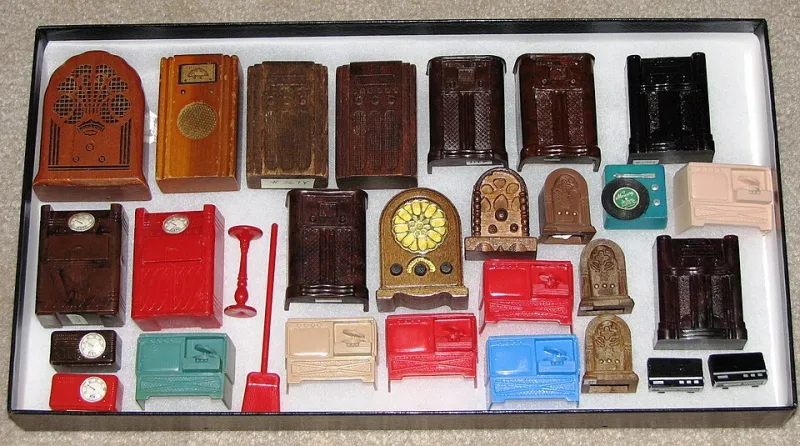
Every blind box line has its hierarchy: the commons, the rare pulls, and the chase — the one-in-144 (or one-in-288, depending on the line) figure that ends up commanding ten to fifty times retail on the secondary market.
The chase is where things get expensive. Collectors chasing a specific figure often buy by the case, because the published ratios only work out across a full case. A case might run $150 to $300. Pull the chase? You're golden. Miss it — which is statistically likely — and now you're holding a dozen duplicates of figures you already own.
This is what the community calls duplicate fatigue, and it's real. Sell-offs of common duplicates flood Facebook groups and convention tables every time a new series drops. The commons have almost no resale value because everyone who wanted them already has three.
Let's Actually Run the Odds
Here's the part the marketing doesn't put on the box. Suppose a series has 12 regular figures plus one chase at a stated 1/144 ratio. If you want the chase and nothing else:
- Single boxes: Your chance per box is about 0.7%. To have a 50% chance of pulling the chase, you'd need to buy roughly 100 boxes — around $1,200 at typical US retail.
- Full cases: If a case of 12 guarantees no duplicates, buying 12 cases (144 boxes, ~$1,700) still doesn't guarantee the chase unless the ratio is enforced per case — and most manufacturers only promise ratios across production runs, not cases.
- Secondary market: For most lines, buying the chase outright from a reseller is cheaper than pulling it yourself. The math almost always favors just buying it.
And yet the unboxing video exists for a reason. Nobody films themselves paying a reseller via PayPal. The pull is the product.
Is the Surprise Worth It?
The honest answer from longtime collectors: it depends on why you're in the hobby. If you love the ritual — the shake, the peel, the table-side reveal with friends — blind boxes deliver an experience standard releases can't. Treat the money as entertainment spending, like movie tickets, and the duplicates as souvenirs.
If you're collecting for value, though, blind boxes are a rough game. The commons depreciate instantly, the chases are priced at peak hype, and every new series resets the cycle. The collectors who come out ahead are the ones who set a hard budget per series, trade duplicates aggressively at meetups, and resist the case-buying urge unless the math genuinely pencils out.
The blind box economy isn't going anywhere — if anything, more manufacturers are adopting the model every year. The trick isn't beating the odds. It's knowing you're not supposed to.